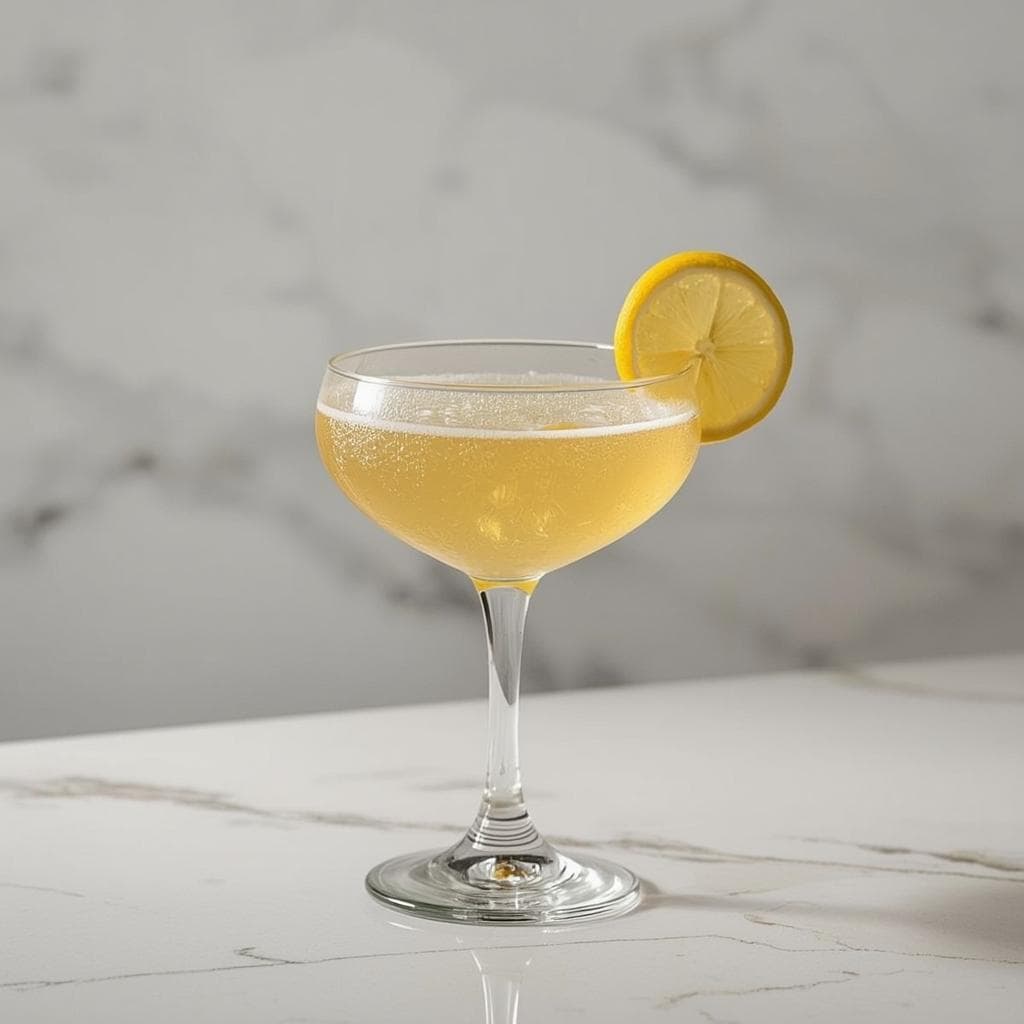
Olympia
A golden gin sour with apricot liqueur, lemon and honey, lifted by dry vermouth and orange bitters. Bright, aromatic and poised as an aperitif.
History of Olympia
The Olympia does not have a firmly documented origin, likely emerging from modern cocktail bars that reinterpreted Golden Age sours. Its name evokes athletic elegance and a sunlit, golden colour, which suits its apricot-and-honey profile. While not a canonical classic, it borrows classic technique and balance. Drinks of this style often trace to early twentieth-century templates that paired citrus with a base spirit and a measured liqueur. Apricot liqueur was popular in the interwar period, featuring in drinks like the Pegu Club and various fruit-forward sours. The Olympia leans on that lineage while tightening sweetness and finish with dry vermouth and bitters. As with many contemporary builds, the recipe varies slightly bartender to bartender. Some versions omit vermouth, others reduce honey or switch citrus to suit the season. The core identity remains a bright, stone-fruit gin sour with an appetising, dry snap.
Why the Olympia Works
A juniper-led gin provides a dry, aromatic frame that supports apricot’s soft stone-fruit notes. Lemon supplies clear acidity, and a light touch of honey syrup rounds without cloying, keeping texture silkier than simple syrup. Dry vermouth and orange bitters trim sweetness and lengthen the finish, so the drink lands crisp and aperitif-ready. Shaking hard over solid ice builds micro-aeration that makes the honey integrate and the citrus feel brighter. Fine straining removes shards and pulp for a polished, glossy surface. The lemon twist adds high-tone oils that echo the bitters and lift the nose. Overall, each component plays a specific role: gin for backbone, apricot for fruit, lemon for cut, honey for glide, vermouth for dryness and bitters for definition. The result is balanced and precise, with enough complexity to sip but a clean profile that invites another round.
Should You Mix Ahead?
Pre-batch the alcoholic components for service: gin, dry vermouth and apricot liqueur in a clean bottle. Keep the ratio stable and store chilled to reduce shake time and protect aromatics. Do not add lemon or honey syrup until service to preserve freshness and texture. For parties, you can pre-dilute a large batch to serve from the fridge. Mix your spirit blend with fresh lemon and honey syrup, then add 15–20% cold water by total volume, tasting as you go. Hold refrigerated and strain into coupes to order, garnishing with fresh twists. If batching same-day, express lemon twists ahead and store sealed to save time. Always give the bottle a quick stir or shake before pouring, as honey can settle slightly. Keep everything as cold as possible to maintain snap and clarity.
Food & Snack Pairings
Salty, briny snacks sing with the Olympia’s bright acidity. Think olives, anchovy toasts or grilled halloumi with lemon. The drink’s dry finish resets the palate for the next bite. Light seafood is excellent: cured trout, prawn cocktail or a simple crab salad with herbs. Stone-fruit notes from apricot complement sweet shellfish while lemon keeps it lively. Avoid heavy cream sauces that can dull the drink’s sparkle. For vegetarian plates, try asparagus with vinaigrette, pea crostini or a goat’s cheese and herb tart. The honey’s gentle roundness softens sharper greens while the gin’s botanicals echo fresh herbs. Finish with citrus almonds for a subtle bridge to dessert.
How to Make Olympia
Chill a coupe and set out all ingredients cold. If you need honey syrup, make a quick 1:1 by stirring equal parts runny honey and hot water until smooth, then cool. Freshly squeeze the lemon and strain out pulp for cleaner texture. Add to a shaker: gin, dry vermouth, apricot liqueur, fresh lemon juice, honey syrup and orange bitters. Fill with solid ice and shake hard for 12–15 seconds until the tin is frosty. The goal is fast chill, controlled dilution and fine aeration. Fine strain into the chilled coupe. Express a wide lemon twist over the surface to release oils, rim the glass and place as garnish. Serve immediately while the aromas are at their peak.
When to Serve
Serve as a pre-dinner aperitif when you want something bright yet composed. Its acidity sparks appetite and its finish stays dry and clean. Early evening suits it best. In spring and early summer, the Olympia’s golden, stone-fruit character feels especially apt. It works indoors or on a terrace when the air is mild. Daytime brunch service also welcomes its citrus lift. For occasions, pour at small dinners, gallery openings or garden parties where conversation flows. It is refined without being fussy, so it bridges casual and smart-casual settings. Offer alongside a salty snack to set the tone.
Common Mistakes
Over-sweetening is common. Measure the honey syrup carefully and let vermouth and bitters keep the finish dry. If it tastes heavy, add a few drops of lemon and shake again.
Under-shaking yields a flat, sticky texture. Use plenty of solid ice and shake hard to build micro-foam and tight dilution. Fine strain to remove shards that can dull the silkiness.
Warm glassware blunts aroma and snap. Always chill the coupe and keep ingredients cold. If you cannot pre-chill, add ice to the glass while you build the drink and discard before straining.
Recommended
Best gin for Olympia
Choose a juniper-forward gin with clean citrus and restrained florals to keep the drink taut. Overly sweet or perfumed styles can blur the apricot and make the finish feel heavy. Classic botanical structure allows the lemon and bitters to read clearly.
Best vermouth for Olympia
Use a fresh, dry vermouth stored in the fridge to deliver herbal lift and a clean, vinous cut. Stale vermouth tastes flat and can drag sweetness, dulling the finish. Open new bottles for best results when the drink is vermouth-sensitive.
Best liqueur for Olympia
Pick an apricot liqueur with real fruit depth and moderate sugar. The drink relies on its stone-fruit aroma, but excess sweetness quickly overwhelms honey and vermouth. A lively, slightly tart apricot profile works best.
Taste Profile
Ingredients
Instructions
Chill and prep
Chill a coupe. Make honey syrup if needed by combining equal parts runny honey and hot water, then cool. Strain freshly squeezed lemon juice.
Build in the shaker
Add gin, dry vermouth, apricot liqueur, fresh lemon juice, honey syrup and orange bitters to a shaker. Fill with solid ice.
Shake and strain
Shake hard for 12–15 seconds until the tin frosts. Fine strain into the chilled coupe for a glossy surface.
Garnish and serve
Express a wide lemon twist over the drink, rim the glass and place as garnish. Serve immediately.
Bartender Tips
Keep vermouth fresh
Store dry vermouth chilled and use within a few weeks for a bright, crisp finish.
Dial sweetness precisely
Taste before straining; if the apricot reads too sweet, add a few drops of lemon and give it a short second shake.
Solid ice matters
Use dense, fresh ice to control dilution and create fine aeration for a silky texture.
To make an alcohol-free Olympia, swap the gin for a non-alcoholic botanical spirit with clear juniper and citrus notes. Replace apricot liqueur with a blend of apricot nectar and a teaspoon of white wine vinegar or verjus to mimic vinosity. Use the same lemon and honey syrup, then add two dashes of orange bitters alternative. Shake hard with ice to build texture and fine strain into a chilled coupe. The acidity must be slightly higher in the zero-ABV version to keep it snappy, as there is no alcohol warmth. Taste and adjust with a few drops of lemon if it feels flat. Garnish with a fresh lemon twist to lift the nose. If sweetness builds, lengthen with a splash of chilled soda and a pinch of salt to sharpen flavours. Serve as an aperitif with briny snacks to underline its bright, stone-fruit core.
Similar Drinks
Frequently Asked Questions
What style of gin and apricot liqueur works best in the Olympia?
Choose a classic, juniper-forward gin with clear citrus and spice so the drink stays dry and structured. For apricot liqueur, pick one with real fruit character and moderate sweetness rather than a sugary, confected profile. Dry vermouth should be fresh and stored chilled to preserve its crispness.
Should I shake or stir, and how do I manage dilution and ice?
Shake vigorously with solid, fresh ice for 12–15 seconds to achieve chill, dilution and aeration. Fine strain to remove ice chips and any lemon solids for a glossy texture. If the drink tastes sharp, it likely needs another second or two of shake rather than more sweetener.
How strong does the Olympia feel, and when should I serve it?
It sits around 20% ABV in the glass, reading medium in strength with a bright, dry finish. Serve before dinner or at the start of a gathering when you want something appetising rather than heavy. The balance of acidity and botanicals keeps it lively without fatigue.
Can I batch the Olympia ahead and what food pairs well?
Pre-batch the spirits and liqueur, adding lemon and honey at service for maximum freshness. For events, you can pre-dilute a large batch and hold it chilled, garnishing to order with fresh lemon twists. Pair with briny snacks, light seafood or herb-led vegetarian plates to echo its citrus and stone-fruit notes.
Hangover Risk
Risk Level
Hangover risk based on alcohol type, content, and serving size: 3/5. Always drink responsibly.
Recipe Rating
Based on 2 reviews