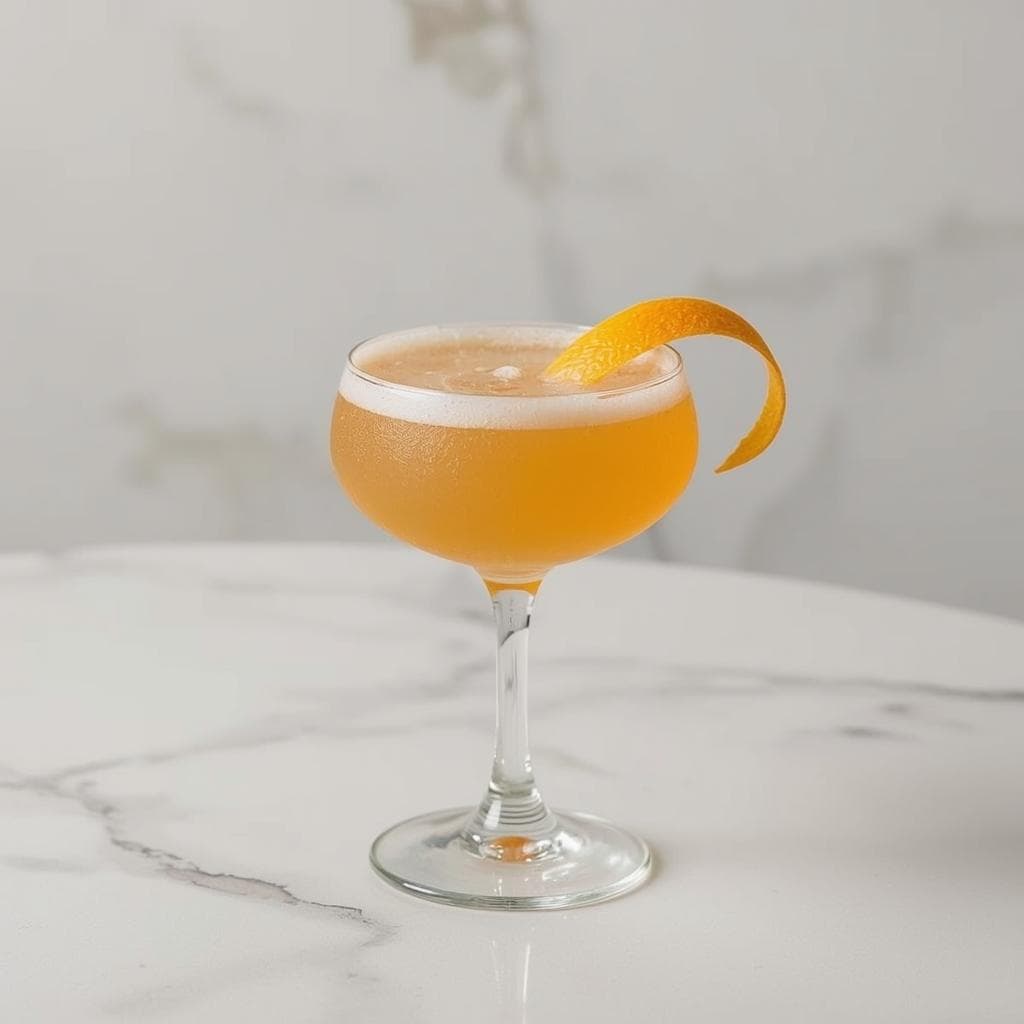
Apricot Sour
A bright, stone-fruit twist on the classic Sour: apricot liqueur sharpened with lemon, rounded by a light touch of sugar, and lifted with aromatic bitters. It’s sunny, fragrant, and neatly dry on the finish.
History of Apricot Sour
The Apricot Sour sits within the early 20th-century wave of fruit liqueur sours that populated hotel bars and supper clubs. Exact origins are murky, which is common for the period, but apricot brandy was a popular bottle on American and European backbars. Bartenders made use of its accessible sweetness and perfumed stone-fruit notes to entice a broad audience. As Prohibition-era menus and later mid-century manuals show, this style of drink was often served both up and on the rocks. Recipes varied from liqueur-only builds to versions lengthened with a neutral spirit or brandy. The constant thread was the reliable sour template of citrus and sugar. Modern takes have refined the ratios for a drier, more balanced sip. Fresh lemon juice, measured sweetness, and a restrained garnish keep the focus on aroma and texture. Today, the Apricot Sour is a simple, sunny choice that rewards good ice and fresh ingredients.
Why the Apricot Sour Works
Apricot liqueur provides ripe, floral fruit and inherent sweetness, so the lemon only needs to pull the drink taut rather than aggressively sour it. A small amount of simple syrup adds body and rounds the acidity without turning the drink cloying. Two dashes of aromatic bitters contribute subtle spice and grip, giving the finish a clean snap. Shaking with plenty of cold, hard ice creates proper aeration and dilution, smoothing the citrus and making the liqueur feel lighter. Fine-straining keeps the texture sleek and helps the aromas read clearly on the nose. An orange peel garnish echoes the stone-fruit bouquet while adding zest oils that brighten the first sip. The result is balanced and sessionable, with flavour clarity and a tidy finish. It feels vivid and refreshing, designed to wake up the palate without overwhelming it. That makes the Apricot Sour versatile as a pre-dinner opener or a sunlit afternoon refresher.
Should You Mix Ahead?
You can prebatch the liqueur, simple syrup, and bitters for quick service. Keep the blend refrigerated in a sealed bottle and add fresh lemon juice just before shaking to preserve brightness. Always shake to achieve the correct dilution and temperature. For a small gathering, scale the liqueur and syrup 8–10 times and store chilled. Measure lemon to order or add it no more than two hours ahead, then keep the mixture very cold. A quick shake per serve restores texture and lift. If transporting, carry the citrus separately in a small flask. Pack plenty of solid ice, chill the glassware, and bring a fine strainer to keep the texture sleek. Garnish peels on site so the oils stay vivid.
Food & Snack Pairings
Salted almonds or pistachios echo the stone-fruit and balance the sweetness. Soft cheeses like brie or camembert are lifted by the citrus, while the apricot notes add a gentle perfume. Crisp salted crisps are a simple but effective match. Grilled chicken with herbs, prosciutto, or a light charcuterie board works well. The drink’s acidity cuts through fat while the fruit complements cured meat salinity. A simple green salad with lemon dressing mirrors the cocktail’s brightness. For something sweet, shortbread or almond biscuits pair neatly without overpowering the drink. Avoid heavy chocolate which will overwhelm the delicate apricot. Fruit tarts with apricot or peach are a natural fit.
How to Make Apricot Sour
Chill a coupe. Add apricot liqueur, fresh lemon juice, simple syrup, and aromatic bitters to a shaker. Fill with solid ice and shake hard for 12–15 seconds until the tin is frosty. Fine-strain into the chilled coupe to remove ice shards and citrus pulp. This keeps the texture polished and the aromas clean. Aim for a steady, controlled pour to preserve the foam ring. Express an orange peel over the surface to release oils, then garnish with the peel. Taste one sip: if you prefer crisper acidity, add a tiny squeeze of lemon on the next round. Serve immediately while cold and fragrant.
When to Serve
Perfect before dinner when you want lift without heaviness. Its modest strength and bright profile wake the palate without numbing it. Serve as guests arrive to set a lively tone. Excellent for warm afternoons and garden parties, especially in late spring and summer. The apricot aroma feels sunny and relaxed. Keep glasses chilled for maximum refreshment. A neat choice for brunch when richer drinks would be too weighty. It also suits light canapés and receptions. Offer a non-alcoholic version alongside for inclusivity.
Common Mistakes
Using bottled lemon juice dulls the drink and muddies the finish. Always squeeze fresh and strain out seeds or heavy pulp. Measure accurately to avoid a sugary or sour imbalance.
Under-dilution or a lazy shake leaves the drink sharp and thin. Shake hard with plenty of cold, dense ice to integrate sweetness and acid. Fine-strain to keep the texture smooth.
Overly sweet liqueur or too much syrup makes the cocktail cloying. Start with the specified syrup amount and adjust by a barspoon if needed. Balance sweetness with a disciplined lemon measure, not with excessive bitters.
Recommended
Best liqueur for Apricot Sour
Choose an apricot liqueur with clear fruit aroma and a moderate 20–30% ABV. Taste it neat: it should read as ripe apricot with a touch of almond-like pit character and not feel syrupy. If it finishes clean rather than sticky, it will sit happily with lemon.
Best brandy for Apricot Sour
If you prefer a drier profile, add a half measure of grape brandy to split the base with the apricot liqueur. This lends length and structure without overwhelming the fruit. Keep total alcohol around 1.5–2 fl oz to maintain balance.
Best bitters for Apricot Sour
Aromatic bitters provide crucial spice and a faint tannic feel that stops the drink from reading as soft. Two dashes are enough to season without dominating. Add a third dash only if your liqueur is very sweet.
Taste Profile
Ingredients
Instructions
Chill and prep
Chill a coupe and prepare a wide orange peel. Set your shaker and ice ready.
Build in the shaker
Add apricot liqueur, fresh lemon juice, simple syrup, and aromatic bitters to the shaker. Fill with cold, dense ice.
Shake hard
Shake vigorously for 12–15 seconds until the shaker is well frosted. This aerates, chills, and dilutes to balance the acidity.
Fine-strain and garnish
Fine-strain into the chilled coupe. Express the orange peel over the surface and place it as garnish.
Bartender Tips
Dial in the sweetness
Apricot liqueurs vary in sugar. Start with 0.25 fl oz syrup; add a barspoon more only if the lemon tastes too sharp.
Use strong ice and a firm shake
Dense cubes give clean dilution and a smoother texture. A vigorous shake integrates citrus and brightens the apricot aroma.
Optional foamy finish
For a silkier version, add a small egg white and dry shake before the wet shake, then fine-strain. Reduce syrup slightly to keep the finish tidy.
Swap the apricot liqueur for a rich apricot syrup and a splash of verjuice or diluted cider vinegar. Keep the lemon and bitters (use an alcohol-free bitters) to preserve the lift and structure. Shake hard with plenty of ice and strain as usual for the same bright snap. To build the syrup, simmer equal parts dried apricots and water with sugar, then strain and cool. This yields a concentrated stone-fruit flavour that stands up in a sour. Adjust thickness with a little hot water so it measures and mixes predictably. Serve in the same glassware with an expressed orange peel for aroma. The non-alcoholic version is vivid and satisfying, with a gentle tartness and lush fruit. It plays the same role before dinner or as a sunny afternoon refresher.
Similar Drinks
Frequently Asked Questions
What apricot liqueur should I choose for the best flavour?
Look for an apricot liqueur with real fruit character and moderate sweetness. If it tastes jammy but not sticky on its own, it will balance well with lemon. Avoid extremely sugary bottlings, which can make the drink feel flat.
Do I need to dry shake or add egg white?
No, this version is designed without egg, relying on a vigorous wet shake for texture. If you enjoy a silkier mouthfeel, you can add a small egg white and dry shake before the wet shake. Fine-strain either way for a sleek finish.
How strong does the Apricot Sour feel and when should I serve it?
It drinks light-to-moderate, with a clean, refreshing finish rather than a boozy punch. Serve it as an aperitif, at brunch, or during warm afternoons when brightness and aroma matter most. It refreshes without overwhelming the palate.
Can I batch this cocktail for a party?
Yes. Combine the liqueur, syrup, and bitters in a bottle and chill thoroughly, then add fresh lemon just before serving. Shake each portion with ice to restore temperature and dilution, and garnish with fresh orange peel.
Hangover Risk
Risk Level
Hangover risk based on alcohol type, content, and serving size: 2/5. Always drink responsibly.
Recipe Rating
Based on 2 reviews