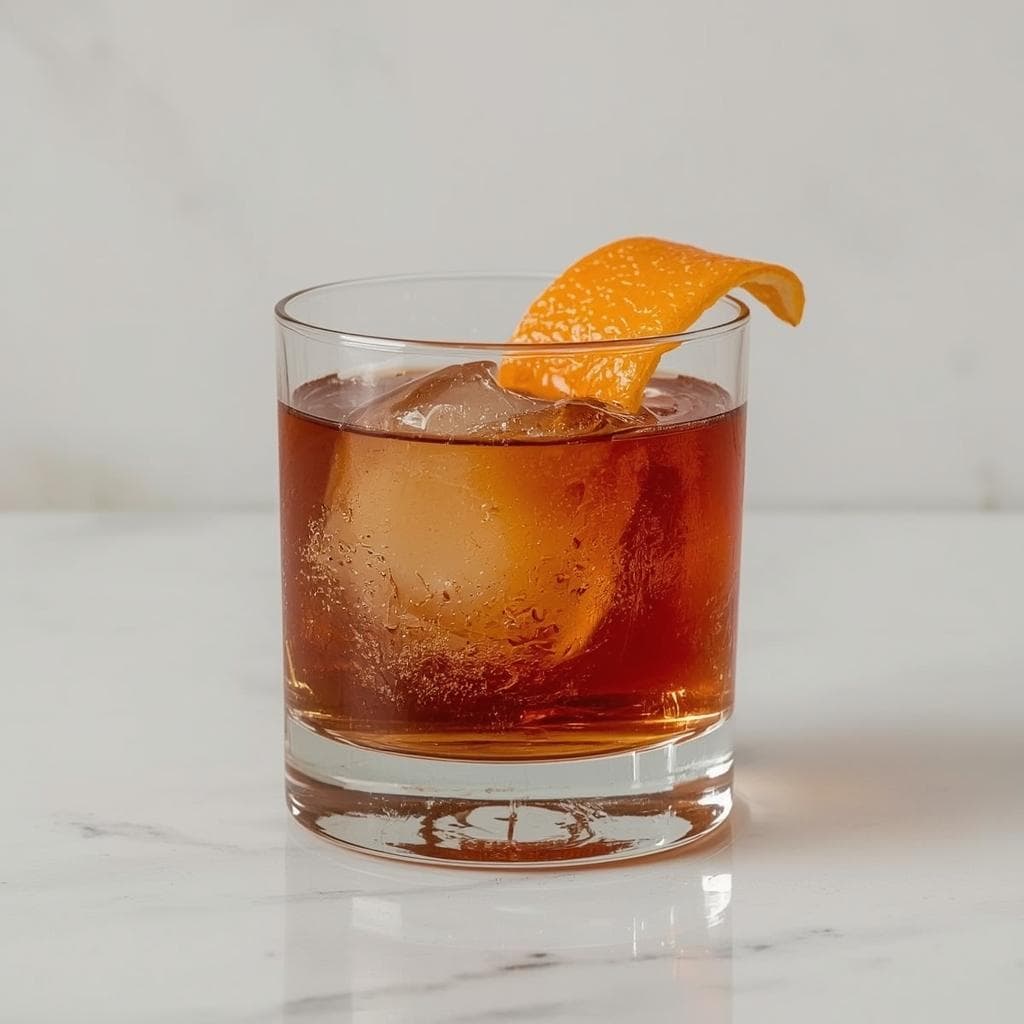
Raccoon
A woodland-leaning stirred cocktail of rye, amaro, and walnut liqueur, rounded with maple and brightened by orange oils. Silky, bittersweet, and quietly powerful.
History of Raccoon
The Raccoon appears to be a modern craft-bar creation from the early 2010s, arriving alongside a wave of nutty, amaro-forward riffs on the Old Fashioned. Its name hints at an urban-foraged mood and a nocturnal sipping style: curious, clever, and a little mischievous. As with many contemporary cocktails, precise origins are murky, but the template reflects widespread bartending trends of the period. It sits at the intersection of the Old Fashioned and the Black Manhattan, swapping some sweetness for bittersweet herbal tones. Walnut liqueur adds a toasty bass note, while maple lends texture and a subtle woodland aroma. The result feels familiar yet new, a comfortable bridge between classic and modern. Bartenders embraced it because it’s both guest-friendly and technically satisfying. It rewards proper stirring and measured dilution, and it showcases how a small adjustment can reshape a spirit-forward profile. Over time, it has become a reliable autumn and winter menu staple in bars that favour elegant, stirred drinks.
Why the Raccoon Works
Rye’s dry spice forms the spine, keeping the drink taut while the amaro supplies bittersweet depth. Walnut liqueur brings roasted warmth and a hint of tannic grip that reads as structure rather than heaviness. A touch of maple rounds edges, binding disparate notes and enhancing texture without turning the drink sticky. Stirring with plenty of cold, dense ice chills and clarifies while introducing just enough dilution to lengthen the finish. Aromatic bitters add top-note complexity and tie rye spice to herbal tones. Expressed orange oils lift the nose and sharpen definition on the first sip. The build is restrained, so every millilitre matters. Keep sweetness modest and bitterness firm, then let the orange accent and cool temperature do the polishing. The result is a clean, confident sipper with a persistent, nutty echo.
Should You Mix Ahead?
You can batch the base: combine rye, amaro, walnut liqueur, maple, and bitters in a bottle, then store chilled. Aim for 8–10 servings per bottle so you can measure easily. Do not add water; dilute to order when stirring. For service, pour 3.25 oz of the mix over plenty of ice in a mixing glass and stir until very cold. Strain over a large cube and finish with fresh orange oils. The fresh expression keeps the nose bright even after time in the fridge. If batching for an event, pre-chill glasses and keep the bottle on ice. Label the bottle with the date and ratios for easy top-ups. Use the batch within a week to preserve aroma and balance.
Food & Snack Pairings
Salty, aged cheeses such as cheddar or gouda play beautifully with the nutty sweetness and rye spice. A handful of roasted, lightly salted walnuts or almonds underscores the drink’s core flavours. Charcuterie with peppered salami or smoked ham adds savoury contrast. Dark chocolate with 70% cocoa complements the amaro’s bittersweet profile and the maple’s roundness. Orange-inflected chocolates bridge the garnish to the palate. Avoid overly sugary desserts that could flatten the cocktail’s definition. Roasted squash, mushrooms on toast, or a simple steak with herb butter sit well beside the Raccoon. The drink’s dryness and bitterness cut through richness, while the walnut note echoes roasted flavours. Keep seasoning clean and let texture do the talking.
How to Make Raccoon
Chill a rocks glass and prepare a large, clear ice cube. Add rye, amaro, walnut liqueur, maple syrup, and bitters to a mixing glass. Fill with dense cubed ice and stir for 20–30 seconds until very cold and properly diluted. Strain over the large cube in the chilled glass. Express a wide strip of orange peel over the surface to coat it with oils, then place the peel as garnish. Taste for balance: you should have a dry, nutty centre with a clean bittersweet finish. If the drink reads too sweet, add one extra dash of bitters and give it two quick stirs. If it seems thin, reduce stirring time next round to limit dilution. Keep measurements precise; small shifts change the contour noticeably.
When to Serve
Best on cool evenings when you want something composed and warming without heavy aromatics. It sings in autumn, particularly around bonfires and late-night conversations. The first sip feels like stepping into a wood-panelled room out of the cold. Serve as a digestif after a rich meal, where bitterness cleanses and nut notes linger. It also works as a pre-dinner sipper for those who prefer spirit-forward profiles. Keep the pour disciplined to maintain appetite. Ideal for small gatherings where quiet craft counts more than spectacle. Offer it alongside a few savoury snacks and let the room settle. The orange aroma signals hospitality without shouting.
Common Mistakes
Over-dilution is the prime culprit: stirring too long or with wet, airy ice washes out texture. Use cold, dense cubes and taste for chill and silk, not wateriness. Aim for a tight 20–30 second stir.
Leaning too hard on maple turns the drink sticky and dull. Keep sweetness restrained and let amaro and walnut do the talking. If it’s cloying, lengthen with a dash of rye or add an extra dash of bitters.
Poor garnish technique can add pith bitterness or weak aroma. Express the orange peel over the glass, skin-side down, then trim away pith if necessary. Avoid dropping ragged, soggy peels into the drink.
Recommended
Best whiskey for Raccoon
Choose a rye whiskey with firm spice and a dry finish to keep the drink lean. Mid-to-high proof helps the core flavours survive chilling and dilution. Avoid overly sweet or heavily finished styles that can blur the bittersweet balance.
Best amaro for Raccoon
Select a medium-bitter, caramel-leaning amaro with herbal depth rather than aggressive mint. You want rounded bitterness that complements rye and walnut, not something that steals the spotlight. Avoid bright citrus-heavy amaros which can clash with maple.
Best walnut liqueur for Raccoon
Aim for a walnut liqueur with clear nut aroma and a hint of tannic grip, not syrupy sweetness. The liqueur should read toasty and slightly woody to echo the cocktail’s woodland theme. Overly sugary versions make the drink cloying.
Taste Profile
Ingredients
Instructions
Chill glass and prepare ice
Chill a rocks glass in the freezer and ready a large clear ice cube for serving.
Build in mixing glass
Add rye whiskey, amaro, walnut liqueur, maple syrup, and aromatic bitters to a mixing glass.
Stir for chill and clarity
Fill the mixing glass with cold, dense ice and stir for 20–30 seconds until very cold and slightly glossy.
Strain
Strain the cocktail into the chilled rocks glass over the large clear cube.
Express garnish
Express a wide strip of orange peel over the surface to release oils, then place it as garnish.
Taste and adjust
If sweetness dominates, add a dash more bitters and give two quick stirs. Serve immediately.
Bartender Tips
Control dilution
Use dense, cold ice and a chilled glass to hit a silky texture without washing out the nut and amaro tones.
Keep maple modest
Resist adding extra syrup; too much flattens the bittersweet balance and muddles the finish.
Express with intent
Express the orange peel 2–3 inches above the drink to mist the surface evenly, then trim away excess pith.
Brew a strong black tea concentrate to mimic the tannic spine of whisky, then pair it with a non-alcoholic amaro-style syrup for herbaceous bitterness. Make a simple walnut syrup by simmering crushed walnuts with sugar and water, then fine-strain for clarity. A touch of maple adds body and a woodland aroma. Stir the tea, amaro-style syrup, walnut syrup, and a few drops of alcohol-free aromatic bitters over ice until very cold, then strain over a large cube. Express an orange peel over the top for lift and cohesion. Keep sweetness restrained to preserve the drink’s spirit-forward feel. Chill your glassware and aim for crisp dilution to keep the texture silky rather than sticky. If you miss the warming bite of ethanol, a small pinch of sea salt can sharpen edges and lengthen the finish. The result is recognisably Raccoon-like, but fully suitable for an alcohol-free evening.
Similar Drinks
Frequently Asked Questions
Should I use rye or another whisky for the Raccoon?
Rye is preferred because its dry spice keeps the drink taut against the amaro’s sweetness. A softer bourbon will make the cocktail rounder and sweeter, which can be pleasant but less focused. Choose a mid-to-high proof that stands up to stirring and dilution.
Why is the Raccoon stirred instead of shaken?
Stirring preserves clarity and gives a silky texture while controlling dilution. Shaking would add aeration and extra water, blurring flavours and dulling the nutty depth. Use cold, dense ice and taste for proper chill rather than chasing a timer.
How strong does it feel and when should I serve it?
It drinks like a serious sipper with a warming mid-palate and a dry finish. Serve after dinner or as a late-evening drink when you want depth without acidity. The orange oils keep the nose bright so it never feels heavy.
Can I make it ahead or batch for a gathering?
Yes. Combine the spirits, maple, and bitters in a bottle and keep it well chilled, then stir to order for fresh dilution and garnish. The batched mix holds well for about a week in the fridge.
Hangover Risk
Risk Level
Hangover risk based on alcohol type, content, and serving size: 3/5. Always drink responsibly.
Recipe Rating
Based on 2 reviews