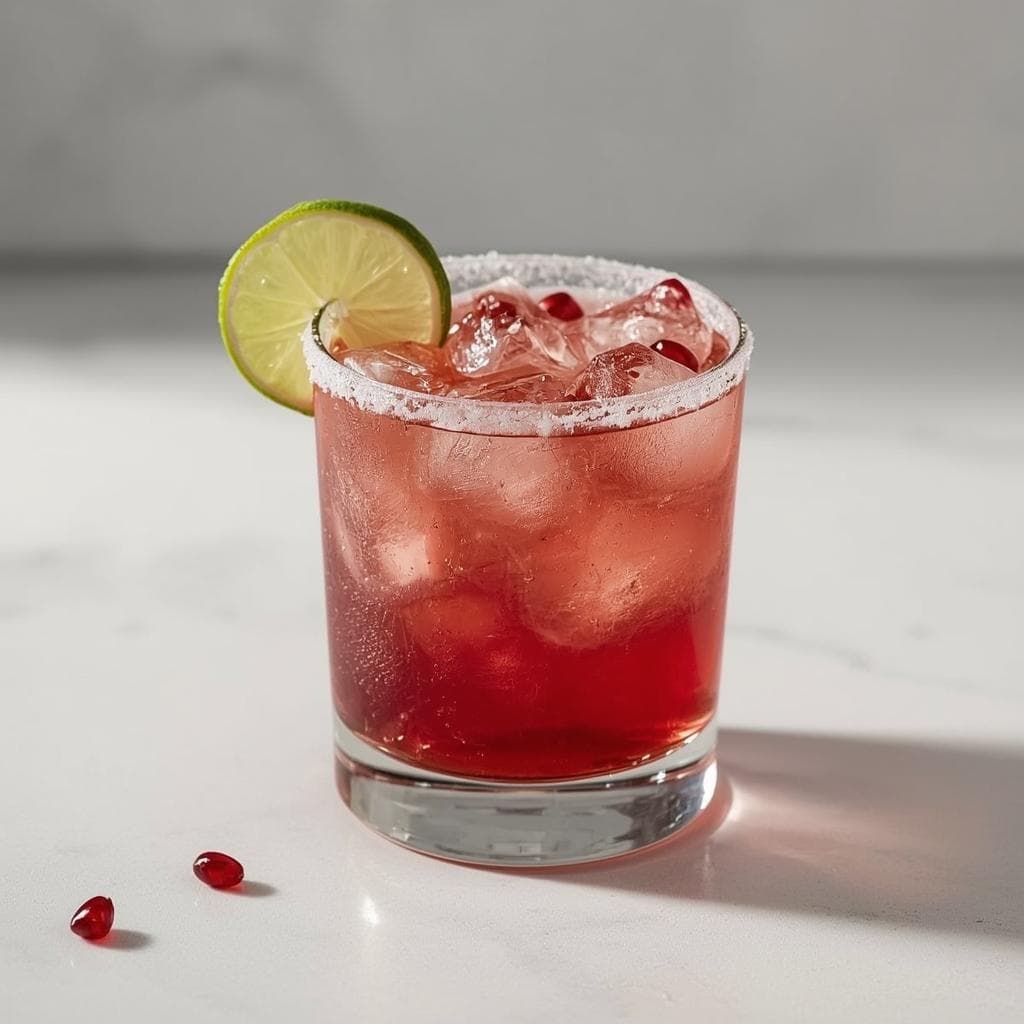
Pomegranate Margarita
A jewel-toned twist on the classic: tart pomegranate and lime balanced by orange liqueur, with crisp agave notes and a saline lift. Bright, refreshing, and winter-fruit friendly.
History of Pomegranate Margarita
The Margarita’s exact origin is disputed, with competing tales from Mexico and the United States in the mid-20th century. What is clear is its structure: an agave-based sour lifted by orange liqueur and salt. The template proved flexible and soon invited seasonal fruit. Pomegranate Margaritas emerged as bartenders leaned into winter produce, seeking a tart, ruby alternative to summer berries. The fruit’s tannins add subtle grip that plays well with tequila’s vegetal notes. Its vivid colour made it a natural for celebratory menus. While no single creator is definitively credited, the style gained traction through modern bars and home enthusiasts alike. As fresh juice became standard, pomegranate’s balance and drama earned it a place in the Margarita canon. Today it’s a reliable crowd-pleaser that remains faithful to the original’s bones.
Why the Pomegranate Margarita Works
Pomegranate brings bright acidity and a whisper of tannin that lengthens the finish. Orange liqueur rounds sharp edges and lifts aroma, while agave syrup fine-tunes sweetness without masking lime. A salted rim adds savoury contrast and makes the fruit pop. Shaking with plenty of ice chills fast and adds controlled dilution for a smooth, even texture. Using fresh lime juice keeps the drink clean and avoids bitterness that can creep in with bottled substitutes. A measured ratio preserves the Margarita’s snap while showcasing the fruit. Tequila’s herbaceous core anchors the glass, preventing the drink from drifting into soft, juice-like territory. The pomegranate’s ruby hue invites a simple garnish that signals flavour without clutter. The result is crisp, fragrant, and moreish.
Should You Mix Ahead?
For parties, pre-batch the liquid elements without ice in a sealed jug and refrigerate. Combine tequila, orange liqueur, pomegranate juice, lime juice, and agave syrup in the exact proportions. Add salt to glasses at service, not to the batch. Chill the batch for at least two hours so it hits the shaker cold and needs less ice to dilute. Shake each portion with plenty of fresh ice to achieve the right texture and temperature. Strain over fresh cubes for clarity. If batching for longer than a day, add fresh lime juice on the day to preserve brightness. Give the jug a quick stir before pouring, as pomegranate can settle slightly. Garnish to order to keep the aromatics lively.
Food & Snack Pairings
The drink’s acidity and salt love rich, savoury bites. Try pork tacos with charred pineapple, grilled prawns with chilli-lime butter, or crispy cauliflower with cumin and coriander. The saline lift cuts through fat and resets the palate. Salty snacks are a natural: warm tortilla chips with a fresh salsa, feta-studded watermelon salad, or spiced mixed nuts. The pomegranate’s tang keeps everything feeling light. Avoid overly sweet dishes that would flatten the cocktail’s snap. For a winter table, pair with roast chicken rubbed with citrus zest, or grilled halloumi with pomegranate molasses. Herby rice, black beans, and pickled onions all sing alongside the agave and lime. Keep flavours bright to match the glass.
How to Make Pomegranate Margarita
Chill a rocks glass and set up a salt rim by moistening half the rim with a lime wedge and dipping it into coarse salt. Fill the glass with fresh ice and set aside. The half rim lets you control each sip’s salinity. In a shaker, add tequila, orange liqueur, pomegranate juice, fresh lime juice, and a small measure of agave syrup. Pack the shaker with ice and seal firmly. Shake hard for 12–15 seconds until the tin is frosted. Fine strain into the prepared glass over fresh cubes to remove pulp and achieve a smooth texture. Garnish with a lime wheel and a few pomegranate seeds. Taste and adjust salt on the rim if needed.
When to Serve
Serve as a lively aperitif before dinner; the acidity sparks appetite. It shines at winter gatherings when pomegranates are at their best. The colour looks celebratory under candlelight. It also fits sunny afternoons and garden parties, especially with salty snacks. Keep servings measured and cold for maximum refreshment. A pitcher service works well for casual get-togethers. For holidays, it’s a cheerful welcome drink that bridges palates. Offer a no-alcohol version for mixed company. The garnish and rim make it feel dressed without fuss.
Common Mistakes
Over-sweetening is the most common misstep. Pomegranate and orange liqueur already bring sugar, so keep agave syrup modest and taste before serving. If it skews sweet, add a small splash of lime and shake again.
Using tired lime juice dulls the drink. Always squeeze fresh and avoid bottled juice that can taste bitter or flat. If your limes are low-acid, add a dash more juice to restore balance.
Under-dilution leads to a hot, spiky sip. Shake vigorously with plenty of ice to achieve proper chill and dilution. If the texture feels thin, shake a little longer rather than adding more syrup.
Recommended
Best tequila for Pomegranate Margarita
Choose a clean, peppery blanco tequila that shows true agave character. The bright, herbal profile complements pomegranate’s tartness rather than fighting it. Avoid overly hot spirits that will dominate the fruit.
Best orange liqueur for Pomegranate Margarita
Use a dry to medium-dry orange liqueur to bridge tequila and lime without pushing sweetness too far. The orange oils lift aroma and add length to the mid-palate. A drier style keeps the drink from tasting sticky.
Taste Profile
Ingredients
Instructions
Prepare the glass
Chill a rocks glass, moisten half the rim with a lime wedge, and dip into coarse salt. Fill the glass with fresh ice and set aside.
Build the cocktail
Add Blanco tequila, orange liqueur, pomegranate juice, fresh lime juice, and agave syrup to a shaker.
Shake hard
Fill the shaker with ice and shake vigorously until well chilled and frosty, about 12–15 seconds.
Strain and garnish
Fine strain into the prepared glass over fresh ice. Garnish with a lime wheel and a few pomegranate seeds.
Taste and adjust
Taste a small sip; if too sweet, add a dash more lime and give a brief shake with ice, then re-strain.
Bartender Tips
Mind the sweetness
Pomegranate and orange liqueur add sugar; keep agave syrup light and adjust to taste.
Half-rim the glass
A half salt rim lets guests choose a saline or clean sip and prevents the drink from tasting overly salty.
Shake hard, strain fine
Vigorous shaking achieves proper chill and dilution; fine strain for a smooth, pulp-free texture.
To make an alcohol-free Pomegranate Margarita, replace tequila with a non-alcoholic agave-style spirit or a mix of chilled strong chamomile tea and a splash of white wine vinegar for bite. Swap orange liqueur for fresh orange juice adjusted with a few drops of orange extract. Keep the lime, pomegranate, and a touch of agave syrup, and shake hard with ice for texture. The key is acidity and structure. Non-alcoholic bases taste softer, so reduce sweeteners slightly and lean on lime to keep the drink snappy. A salted rim adds focus and helps the flavours read as cocktail-like rather than juice. Serve it in the same rocks glass over fresh ice with the same garnish. Fine strain if you prefer a silkier texture. It is bright, festive, and a convincing stand-in for mixed company.
Similar Drinks
Frequently Asked Questions
What tequila works best in a Pomegranate Margarita?
Choose a quality blanco tequila with clean, peppery agave notes that won’t fight the fruit. Reposado also works if you like a touch of vanilla and spice, but keep oak influence gentle so the citrus stays bright.
Should I shake or stir, and why?
Shake firmly with plenty of ice. Citrus and syrup need vigorous agitation to integrate and to build the slight aeration that makes the texture silky. Proper shaking also delivers the dilution that tames the spirit and tightens the balance.
How strong does it taste, and can I make it lighter?
Expect a medium-strength cocktail with a crisp, tart finish rather than a boozy burn. To lighten it, reduce tequila to 1¼ oz and increase pomegranate juice to 1¼ oz, then shake hard. You retain flavour while shaving the alcohol load.
Can I batch this for a party and what foods pair well?
Yes. Combine all liquid ingredients in a chilled jug, keep refrigerated, and shake individual portions to order so texture stays lively. Serve with salty, zesty foods like grilled prawns, pork tacos, spiced nuts, or halloumi; the acidity and salt cut richness and refresh the palate.
Hangover Risk
Risk Level
Hangover risk based on alcohol type, content, and serving size: 3/5. Always drink responsibly.
Recipe Rating
Based on 1 reviews