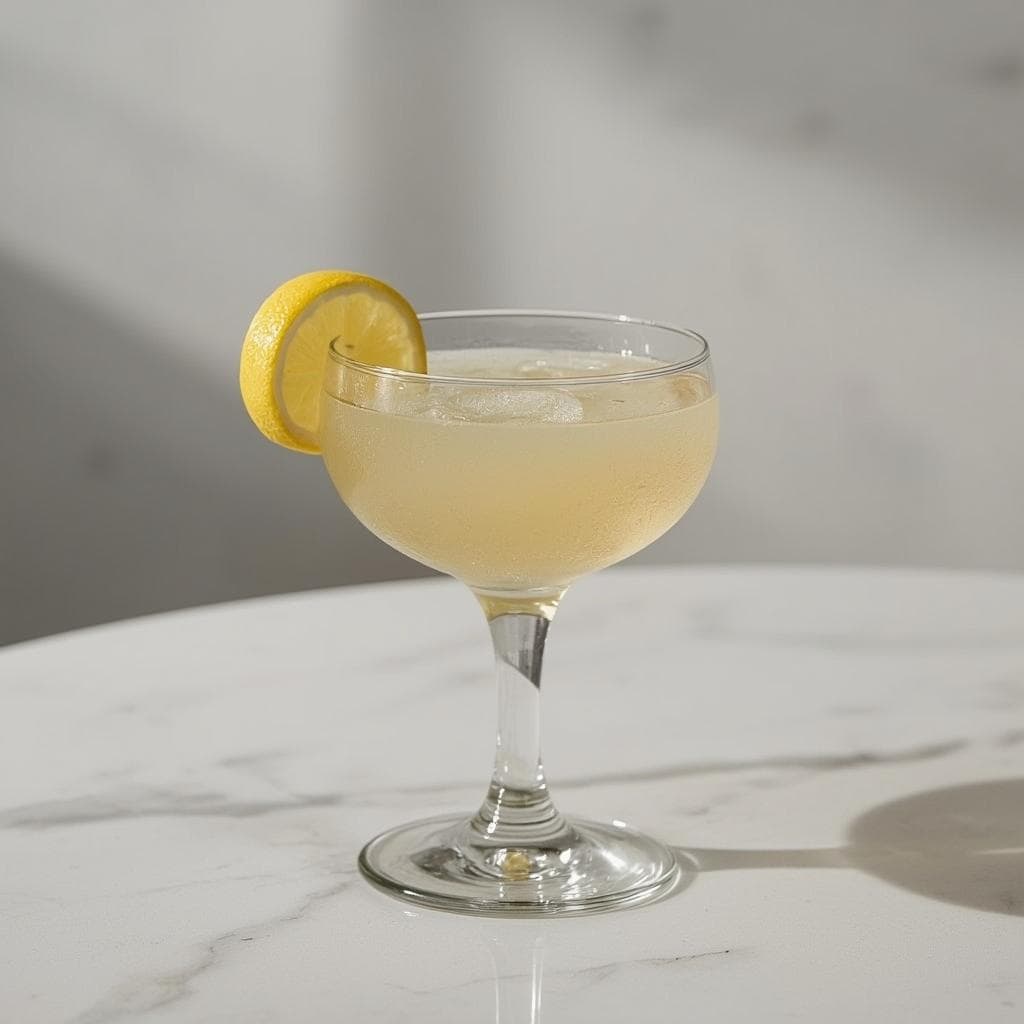
Pitagora
A modern amaro sour with gin, honey and lemon that balances bright citrus, herbal bitterness and gentle sweetness. Clean, refreshing and quietly complex, it nods to geometric harmony in its proportions.
History of Pitagora
Pitagora is a contemporary, bar-born idea rather than a drink with dusty roots. Its name nods to Pythagoras and the satisfying 3-4-5 logic of a well-balanced sour, though the exact barstool where it began is not clearly recorded. What is certain is its Italian accent, thanks to amaro, and its modern approach to brightness and restraint. Through the 2010s, bartenders leaned into amaro as a way to add herbal depth without weight. Pitagora slots neatly into that movement, pairing gin’s structure with bittersweet complexity and clean citrus lines. Honey syrup softens the corners without clouding the herbs. As with many recent cocktails, the recipe varies slightly from bar to bar. Some versions are drier and more aperitif-like, others richer and more honey-forward. The core remains a tart, bittersweet gin sour with a distinctly Italian heart.
Why the Pitagora Works
Gin supplies backbone and dryness, while amaro contributes herbal bitterness that reads as savoury complexity rather than aggression. Lemon’s bright acidity sets the frame, and a touch of honey syrup rounds the edges, adding floral depth without cloying weight. A firm shake introduces cold and dilution, knitting the flavours together and delivering a polished, satin texture. The balance is built on tension. Bitter notes from amaro meet citrus snap, with honey bridging both worlds. Dry vermouth quietly lengthens the palate, pulling the finish clean and keeping the drink refreshing. Orange bitters act like seasoning, lifting citrus oils and harmonising botanicals. The lemon twist expresses fresh aromatics first, then the sip deepens into herb, pine and blossom. The result is crisp on entry, complex through the mid-palate and dry on the exit.
Should You Mix Ahead?
Pre-batch the spirits: combine gin, amaro, dry vermouth and orange bitters in a bottle and chill well. Add 2 parts of this mix to 1 part fresh lemon and 0.5 part honey syrup per serve when making. This keeps service quick while preserving freshness. Avoid batching citrus and syrup more than a few hours ahead, as acidity and aromatics dull over time. If you must, refrigerate tightly sealed and label with the day’s date. Shake each portion to order to achieve the right dilution and texture. For large groups, pre-dilute a test serve with measured water to your preferred strength, then scale. Store the batched base on ice and pour to measure, adding lemon and syrup just before shaking. Always garnish to order so the lemon oils are vivid.
Food & Snack Pairings
Salted almonds, green olives and thinly sliced fennel salami make a natural aperitif spread. The drink’s citrus snap cuts through fat while the amaro complements savoury herbs. Mild cheeses like young pecorino also sit nicely against the bitterness. Seafood shines alongside Pitagora. Try grilled prawns with lemon, white anchovies on toast, or crab crostini with a hint of chilli. The cocktail’s acidity keeps each bite lively and resets the palate. For vegetarian options, artichoke dips, roasted peppers and herb-laced hummus play well with the bittersweet profile. Crisp crudités with a citrusy dressing echo the drink’s brightness. Finish with a slice of olive oil cake if you want a gentle sweet note.
How to Make Pitagora
Chill a coupe and prepare your station: fresh lemon juice, honey syrup, and measured spirits. Cold glassware helps the cocktail stay crisp and focused for longer. Set a fine strainer over your tin to keep texture sleek. Add gin, amaro, dry vermouth, lemon juice and honey syrup to a shaker, plus two dashes of orange bitters. Fill with plenty of solid ice and shake hard for 12 to 15 seconds until the tin is frosted. Vigorous shaking ensures proper dilution and a smooth, integrated body. Double strain into the chilled coupe to remove ice shards and pulp. Express a broad strip of lemon peel over the surface to release oils, then garnish with the twist. Serve immediately while bracingly cold.
When to Serve
Serve as an aperitif in spring and early summer when citrus feels lively and herbs are in season. Its bittersweet lift wakes up the palate without weighing it down. Ideal for the first drink of the evening. It works at late-afternoon gatherings and garden parties where you want refreshment with character. The finish is clean, making it easy to pair with small bites. Offer water alongside for comfortable pacing. In cooler months, lean into its herbal warmth before a meal. The profile remains bright enough for daytime brunches, especially when the menu includes savoury dishes. It is a crowd-pleaser for mixed company.
Common Mistakes
Under-shaking leads to a thin, sharp drink. Shake hard with plenty of ice to achieve proper dilution and a silky texture. If it tastes harsh, shake the next one a touch longer.
Over-sweetening with too much honey syrup can smother the herbs. Keep the measure tight and taste; you can always add a barspoon more if your lemons are particularly tart. Aim for refreshing, not sugary.
Using tired lemon juice dulls the profile. Always squeeze fresh and fine strain to remove pithy bitterness. Garnish with a fresh twist to restore high notes.
Recommended
Best gin for Pitagora
Choose a juniper-forward gin with clean citrus and herbal lift. You want structure and dryness to stand up to the amaro and lemon, not a sweet or heavily flavoured profile. High botanical clarity keeps the finish crisp.
Best amaro for Pitagora
Select a medium-bitter amaro with citrus and herbal depth rather than intense cola or caramel notes. Too sweet and the drink drifts from aperitif to dessert. Too bitter and the lemon can turn austere.
Best vermouth for Pitagora
A dry vermouth with fresh herbal character and a crisp, wine-like finish works best. Avoid oxidative or tired bottles, as stale vermouth flattens the cocktail. Store opened bottles in the fridge.
Taste Profile
Ingredients
Instructions
Chill the glass
Place a coupe in the freezer or fill it with ice water to chill thoroughly.
Build in the shaker
Add the gin, amaro, dry vermouth, fresh lemon juice, honey syrup and orange bitters to a cocktail shaker.
Add ice
Fill the shaker with solid, fresh ice.
Shake hard
Shake vigorously until the shaker is very cold and frosted, about 12 to 15 seconds.
Prepare the glass
Discard the chilling ice from the coupe and set a fine strainer over the glass.
Double strain
Strain the cocktail through a Hawthorne and fine strainer into the chilled coupe.
Garnish and serve
Express a lemon twist over the surface to release oils, rim the glass, then drop or perch the twist. Serve immediately.
Bartender Tips
Dial the sweetness to your lemons
If your lemons are very tart, add a barspoon more honey syrup. If your amaro is sweet, pull the syrup back slightly to keep the finish dry.
Shake with conviction
A firm 12–15 second shake ensures proper dilution and a velvety texture. Weak shaking leaves the drink thin and sharp.
Express the garnish
The lemon twist is more than decoration. Express the oils generously to lift the botanicals and brighten the first sip.
Build a zero-alcohol Pitagora by swapping the gin for a quality alcohol-free botanical spirit. Replace amaro with a non-alcoholic bitter aperitif and keep the dry note by using a splash of unsweetened white grape juice in place of vermouth. Maintain fresh lemon and honey syrup, then shake hard for proper texture. Taste and adjust sweetness carefully because many alcohol-free bitter aperitifs are slightly sweeter. A scant dash of saline solution or a pinch of sea salt can help tighten flavours, giving definition to the citrus and herbs. The lemon twist remains essential for aromatic lift. Serve it the same way, well chilled and double strained into a coupe. Expect gentler bitterness, a lighter body and a shorter finish. It is refreshing and aperitif-like, perfect when you want the ritual without the alcohol.
Similar Drinks
Frequently Asked Questions
Which amaro works best in Pitagora?
Choose a medium-bitter, herbal-citrus amaro rather than something intensely bitter or syrupy. You want complexity and a dry finish so the lemon can shine and the honey does not dominate. If your amaro is very sweet, reduce the honey syrup slightly.
Should I shake or stir, and for how long?
Shake firmly with plenty of cold ice for 12 to 15 seconds. The goal is brisk dilution and chill to integrate the honey and citrus while smoothing the herbs. Double strain to keep the texture clean and satin-like.
How strong does it taste, and when should I serve it?
It drinks medium-light, around the strength of a sprightly sour rather than a heavy stirred drink. Serve as an aperitif or early evening refresher, especially with salty snacks or seafood. The bitterness lingers pleasantly without clobbering the palate.
Can I batch it ahead, and what food pairs well?
Pre-batch the spirits and bitters, keep cold, and add fresh lemon and honey syrup when shaking each serve. Pair with olives, almonds, white anchovies, or mild cheeses, which echo the herbal notes and benefit from the citrus snap. For vegetarians, artichokes and roasted peppers are excellent companions.
Hangover Risk
Risk Level
Hangover risk based on alcohol type, content, and serving size: 2/5. Always drink responsibly.
Recipe Rating
Based on 3 reviews