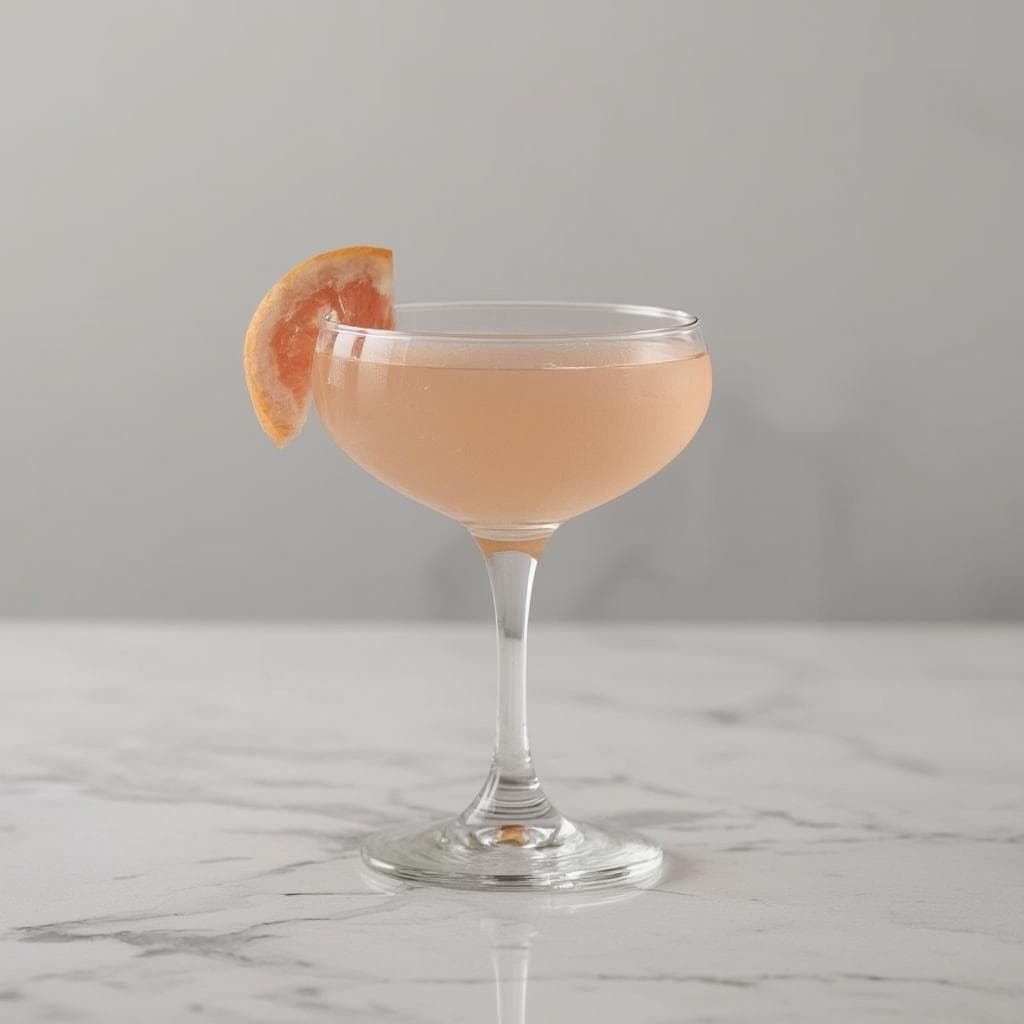
Pembroke
A bright, modern gin aperitif that marries grapefruit’s pithy snap with honeyed roundness and a dry vermouth backbone. Shaken cold and served up, it’s clean, gently bitter and quietly elegant.
History of Pembroke
The Pembroke reads like a contemporary British bar creation, shaped by the modern love of bright, low-sugar aperitifs. Its use of grapefruit, honey syrup and dry vermouth suggests a bridge between a Bee’s Knees and a Martini variation. While no definitive origin is documented, it fits comfortably into the current wave of clean, citric, pre-dinner serves. The name hints at a nod to British place names and a subtle sense of heritage. Rather than chasing sweetness, the drink leans on bitterness and aroma for length. That choice keeps it lively at the table and friendly with food. By pairing juniper with pithy grapefruit and a whisper of honey, the Pembroke offers a modern balance. Bitters elevate the nose, and a fine chill from shaking adds the gloss. It feels familiar yet new, like a quietly confident update to classic gin canon.
Why the Pembroke Works
Grapefruit’s gentle bitterness and high-toned acidity slice through gin’s botanicals, revealing juniper and citrus peels with clarity. Dry vermouth adds herbal polish and a touch of salinity, lengthening the finish without weight. Honey syrup rounds edges and binds flavours, while orange bitters lift aroma and echo the citrus core. Shaking with plenty of hard ice chills quickly and adds just enough dilution for glide. Fine-straining keeps the texture silky, while a tight grapefruit twist focuses the nose. The result is crisp and refreshing, yet layered enough to sip slowly. Proportions are tuned for balance, not blunt sweetness or aggression. The drink opens bright and finishes dry, inviting another taste. That aperitif posture makes it versatile with food and friendly across seasons.
Should You Mix Ahead?
Pre-batch the alcoholic base by combining gin, dry vermouth and honey syrup in a bottle, then chill thoroughly. Hold grapefruit juice separately and add it fresh when shaking to preserve brightness and aroma. Keep the bitters and garnish for service. For events, measure the base to yield 2 oz per drink in the tin before adding juice and ice. This speeds service while keeping texture right. Store the base in the fridge for up to three days. If batching the full drink with juice, plan to serve within 24 hours and keep it very cold. Shake each portion with ice to restore dilution and texture. Always taste before pouring, adjusting honey syrup if the fruit skews sour or bitter.
Food & Snack Pairings
Salty, oceanic bites excel: oysters with a squeeze of citrus, smoked salmon blinis or grilled prawns. The drink’s pithy grapefruit and dry finish cut through richness and oil. It resets the palate and keeps appetite awake. Fresh cheeses and herb-led plates play well with the herbal vermouth. Try goat’s cheese tart, fennel salad or asparagus with lemon and olive oil. The honey note threads sweetness without cloying. For snacks, reach for salted crisps, roasted almonds or citrus-marinated olives. The Pembroke’s bitterness and acidity highlight savoury edges and lift aromatics. It is a dependable aperitif partner.
How to Make Pembroke
Chill a coupe and set it aside. Add gin, dry vermouth, fresh pink grapefruit juice, honey syrup and orange bitters to a shaker tin. Fill the shaker with plenty of solid ice and shake hard for 10 to 12 seconds. Aim for a cold tin, slight aeration and controlled dilution. Double strain into the chilled coupe to remove ice shards and pulp. Express a thin grapefruit twist over the surface, then place it neatly on the rim.
When to Serve
Serve as an aperitif before dinner when a crisp, appetite-wakening drink is welcome. It slots neatly into spring and early summer menus. Brunch is another sweet spot, especially with seafood or citrus-led plates. The moderate strength keeps it lively rather than heavy. For parties, pour on arrival to set a bright, sociable tone. Its tidy presentation and clean finish feel polished without fuss.
Common Mistakes
Over-diluting by shaking too long or with wet, small ice blunts flavour. Use large, hard ice and stop once the tin frosts and the shake sounds dull.
Using bottled or old grapefruit juice flattens the drink. Always squeeze fresh and fine-strain if pulpy to keep the texture sleek.
Letting honey syrup dominate tips the balance. If it tastes sweet, add a touch more grapefruit or a scant barspoon of vermouth to dry it back.
Recommended
Best gin for Pembroke
Choose a classic dry gin with clear juniper, citrus peel and a clean finish. Avoid heavy floral or sweetened styles, which can clash with grapefruit’s bitterness and the dry vermouth’s herbal tone.
Best vermouth for Pembroke
Select a dry vermouth with herbal lift and a fresh, lightly saline profile. Oxidised or overly sweet styles will muddy the drink and dull the finish.
Taste Profile
Ingredients
Instructions
Chill and prepare
Chill a coupe. Add gin, dry vermouth, pink grapefruit juice, honey syrup and orange bitters to a shaker.
Shake
Fill the shaker with large, hard ice and shake briskly until the tin frosts and the sound dulls.
Strain and garnish
Double strain into the chilled coupe. Express a grapefruit twist over the surface and place it on the rim.
Bartender Tips
Dial the honey
Grapefruit swings from sweet to biting; adjust the honey syrup by a barspoon to keep the finish dry.
Chill is flavour
A very cold glass and hard ice preserve snap and keep dilution tidy, letting botanicals show clearly.
Express with intent
Hold the twist over the drink and pinch firmly to release oils, then lightly rub the rim before setting it.
To make a non-alcoholic Pembroke, use a juniper-forward non-alcoholic gin alternative and replace dry vermouth with a chilled, unsweetened white tea for herbal structure. Keep the fresh grapefruit juice and honey syrup, shaking hard with ice to build texture and dilution. A dash of orange bitters can be swapped for a few drops of orange blossom water for aroma. Taste and adjust the honey syrup to keep the finish dry; grapefruit varies in sweetness and bitterness. Fine-strain and garnish with a neat grapefruit twist to focus the nose. The result stays bright, pithy and refreshing without the alcohol’s weight. Serve it as an aperitif or brunch refresher, especially when you want clarity and zip without intoxication. Pre-chill your coupe for extra polish. Expect a lean, citrus-led profile with a clean, herbal back note.
Similar Drinks
Frequently Asked Questions
What gin style and vermouth work best in the Pembroke?
Choose a classic, juniper-forward dry gin to keep the profile crisp and aromatic. A dry vermouth with herbal lift and a clean, saline edge adds backbone without sweetness. Avoid heavily flavoured gins that could clash with grapefruit.
Should I shake or stir, and how do I get the balance right?
Shake hard with plenty of solid ice to achieve fast chill, slight aeration and measured dilution. Taste before straining; if the grapefruit is especially tart, add a few drops more honey syrup, and if it feels sweet, add a scant splash of vermouth. Fine-strain for a silky finish.
How strong does it feel, and when should I serve it?
It drinks medium-light, around 17% ABV once chilled and diluted, with a dry, refreshing finish. Serve as an aperitif or at brunch when brightness and appetite appeal are the goal. It’s composed enough for early evening without overwhelming the palate.
Can I batch it ahead, and what foods pair well?
Pre-batch the base of gin, vermouth and honey syrup and chill; add fresh grapefruit and shake to order. Pair with oysters, smoked fish, goat’s cheese dishes or salted snacks. The drink’s citrus and gentle bitterness cut richness and flatter savoury flavours.
Hangover Risk
Risk Level
Hangover risk based on alcohol type, content, and serving size: 2/5. Always drink responsibly.
Recipe Rating
Based on 3 reviews