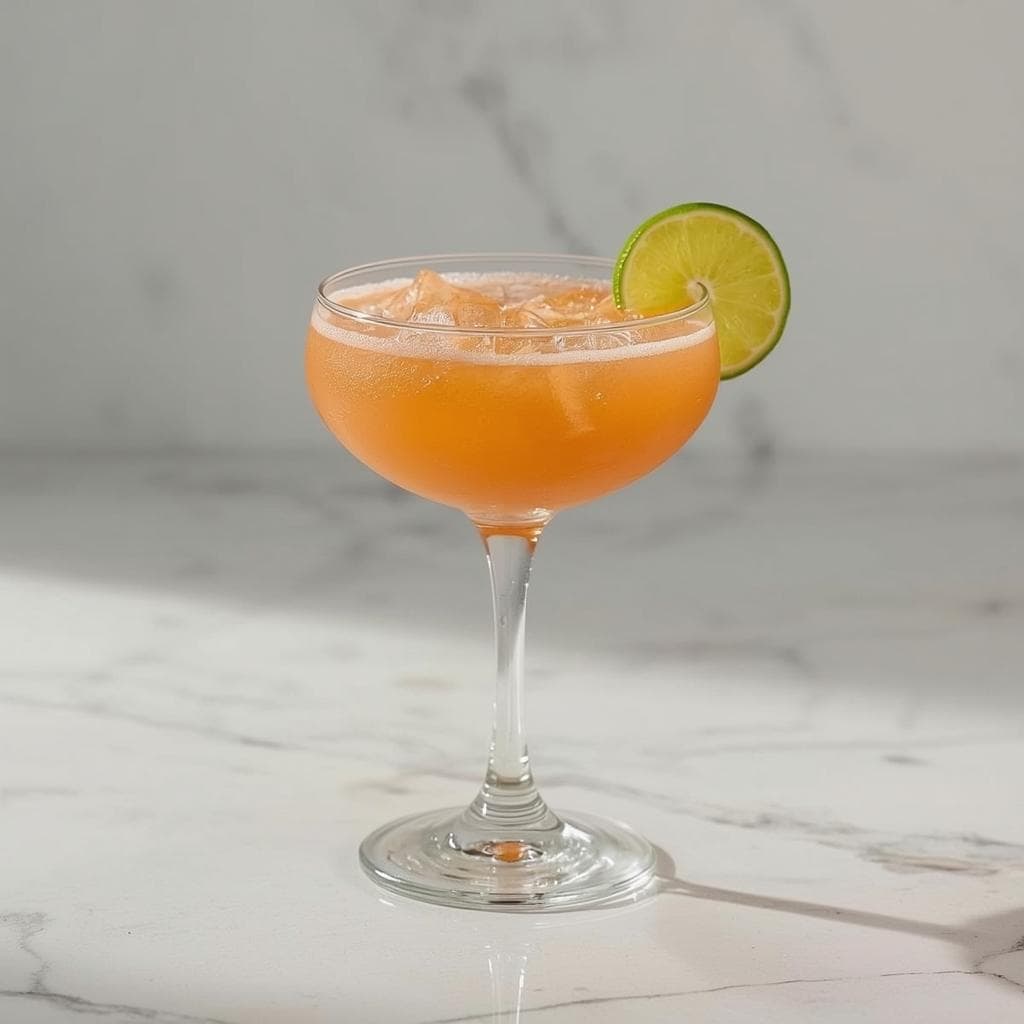
Papaya Daiquiri
A sunny, silky take on the Cuban classic. Ripe papaya brings plush texture and tropical perfume to rum and lime, finished ice-cold and neatly strained. Bright, creamy, and not too sweet.
History of Papaya Daiquiri
The Daiquiri’s roots trace to early 20th-century Cuba, where rum, lime, and sugar were shaken into a razor-sharp sour. Its simple geometry made it a canvas for regional fruit as travel and blender culture spread. The papaya variant likely evolved informally wherever ripe fruit and white rum met. While pinpointing its first pour is tricky, fruit Daiquiris gained traction alongside mid-century beach resorts and household blenders. Bartenders later refined these drinks by swapping syrupy mixers for fresh purées. The Papaya Daiquiri benefited from this shift, showcasing fragrance and satin texture rather than syrupy weight. Modern versions toggle between blended and shaken. This recipe opts for a shaken, double-strained build to keep lines clean and flavours focused. It’s a contemporary expression that honours the classic’s balance while leaning into tropical softness.
Why the Papaya Daiquiri Works
Papaya contributes natural creaminess and mellow sweetness that softens rum’s edges without dulling the drink. Lime supplies the necessary acid backbone, and a modest measure of simple syrup rounds the curve without cloying. Shaking with hard ice ensures quick chilling and controlled dilution, while double-straining delivers a fine, velvety finish. Keeping the syrup restrained lets ripe papaya lead, so the drink remains bright rather than dessert-like. The choice of a light, clean rum preserves freshness and allows the fruit to shine. Served in a chilled coupe, aromas lift and the texture feels elegant rather than heavy. This spec is adaptable. Slightly underripe papaya benefits from a touch more syrup, while very sweet fruit may want less. The structure stays intact because the sour ratio remains the anchor.
Should You Mix Ahead?
For best freshness, pre-batch rum, papaya purée, and simple syrup in a bottle, then add lime and shake to order. Citrus dulls over time, so keep it separate until just before service. Store the batched base in the fridge for up to 24 hours. Scaling for parties is straightforward. Keep bottles and coupes very cold, and shake individual portions with ice to achieve proper chill and dilution. If speed matters, briefly pre-freeze coupes and use large, hard ice for fast chilling. For a frozen approach, pre-dice and freeze ripe papaya, then blend to order with the base and a measured handful of crushed ice. Avoid over-blending, which waters the drink. Taste, adjust syrup or lime, and serve immediately.
Food & Snack Pairings
Salty, crunchy snacks flatter the drink’s tropical softness. Try plantain chips, salted nuts, or prawn crackers to set up contrast and refresh the palate between sips. The lime’s brightness keeps everything lively. Seafood loves citrus, so pair with ceviche, grilled prawns, or crisp fish tacos. The Papaya Daiquiri’s acidity cuts oil while the fruit notes echo maritime sweetness. Keep toppings simple to avoid overwhelming the drink. Light grilled dishes also work well: jerk-spiced chicken, chilli-lime corn, or grilled halloumi with a squeeze of lemon. Papaya’s mellow sweetness soothes spice without smothering it. Fresh herbs like coriander or mint tie the plate to the glass.
How to Make Papaya Daiquiri
Chill a coupe. Add 2 oz white rum, 1 oz fresh lime juice, 2 oz papaya purée, and 1/2 oz simple syrup to a shaker. Fill with plenty of solid ice. Shake hard for 12–15 seconds until the tin is frosty. Fine-strain into the chilled coupe to remove ice shards and any pulp for a sleek texture. Garnish with a thin lime wheel. Taste your next round before straining and adjust syrup or lime slightly to suit the fruit’s ripeness and your preference.
When to Serve
Serve as a sunny aperitif in warm weather, especially late afternoon when a bright, cold sour shines. It’s perfect for garden gatherings and barbecue starters. The refreshing acidity wakes up the palate without heaviness. Brunch works too, particularly with seafood or light, spicy plates. The drink’s tropical profile brings an easy holiday mood. Keep portions modest for balance. Use it as a welcome cocktail at summer parties or beach-themed evenings. Chilled glassware and quick service keep the tempo crisp. Offer a zero-proof version alongside for inclusive hosting.
Common Mistakes
Using bland or overripe papaya gives a flat drink. Choose fruit that is ripe, fragrant, and still a touch firm, or boost with a small squeeze more lime if the fruit runs sweet. Fresh purée beats any shelf-stable mix.
Over-sweetening is common. Start with 1/2 oz simple syrup and adjust only after tasting, as papaya can carry sweetness on its own. Remember the Daiquiri is a sour, not a dessert.
Under-shaking or using too little ice leads to poor chill and imbalance. Fill the shaker with plenty of hard ice and shake vigorously to achieve proper dilution. If blending, avoid running the blender too long, which waters the drink.
Recommended
Best rum for Papaya Daiquiri
A light, clean white rum lets papaya take the lead. Look for a dry profile with crisp cane character and a standard 37.5–40% ABV. Avoid heavy vanilla or spice additions that can overshadow the fruit.
Taste Profile
Ingredients
Instructions
Chill the glass
Place a coupe in the freezer or fill with ice and water to chill while you build the drink.
Add ingredients to shaker
Add white rum, fresh lime juice, papaya purée, and simple syrup to a cocktail shaker.
Ice and shake hard
Fill the shaker with plenty of ice cubes and shake vigorously until well chilled and the tin frosts.
Prepare the glass
Dump the ice from the coupe and quickly pat dry if needed.
Fine-strain
Double strain the drink through a fine strainer into the chilled coupe for a smooth, silky texture.
Garnish and serve
Garnish with a thin lime wheel on the rim and serve immediately, very cold.
Bartender Tips
Adjust to the fruit
Papaya sweetness varies. Start with 1/2 oz syrup and adjust future rounds to taste after you’ve tried the fruit.
Fine-strain for polish
Fine-straining removes pulp and ice shards for a sleek, coupe-friendly finish.
Season lightly
A tiny pinch of salt or 1–2 drops of saline can lift fruit flavour and balance sweetness.
To go alcohol-free, replace the rum with a non-alcoholic rum alternative or add an extra ounce of papaya purée and a splash of coconut water. Keep the lime and a modest amount of simple syrup so the sour structure remains. The result drinks bright and tropical without the heat of alcohol. Shake hard with ice as you would the original, then fine-strain to keep the texture neat. For a blended zero-proof version, add a small handful of crushed ice and pulse briefly so it stays cold but not watery. Serve in a chilled coupe or over crushed ice according to mood. Mind sweetness. Papaya can be very ripe, so taste and trim the syrup if necessary. A tiny pinch of salt helps the fruit pop and replaces some of the seasoning effect alcohol usually provides.
Similar Drinks
Frequently Asked Questions
What rum and papaya should I use?
Choose a light, clean white rum so the fruit stays in focus. Pick papaya that is fragrant and gives slightly to pressure, with vibrant orange flesh; avoid mushy or greyish fruit, which tastes dull.
Should I shake or blend, and how do I get the right texture?
Shaking with hard ice and fine-straining gives a sleek, coupe-ready texture and controlled dilution. Blending is lovely in hot weather, but add only a small handful of crushed ice and pulse briefly so it stays cold and not watery.
How strong does it feel, and can I make it lighter?
It drinks medium-light, with around 13% ABV once diluted, thanks to the purée and citrus. To lighten, reduce rum to 1 1/2 oz and add 1/4 oz extra purée, keeping lime steady so the structure holds.
Can I batch it ahead, and what are common mistakes to avoid?
Pre-batch rum, purée, and syrup, then add lime and shake to order; keep everything very cold for speed. Avoid bland fruit and over-sweetening; taste the mix and trim syrup if the papaya is very ripe.
Hangover Risk
Risk Level
Hangover risk based on alcohol type, content, and serving size: 3/5. Always drink responsibly.
Recipe Rating
Based on 2 reviews