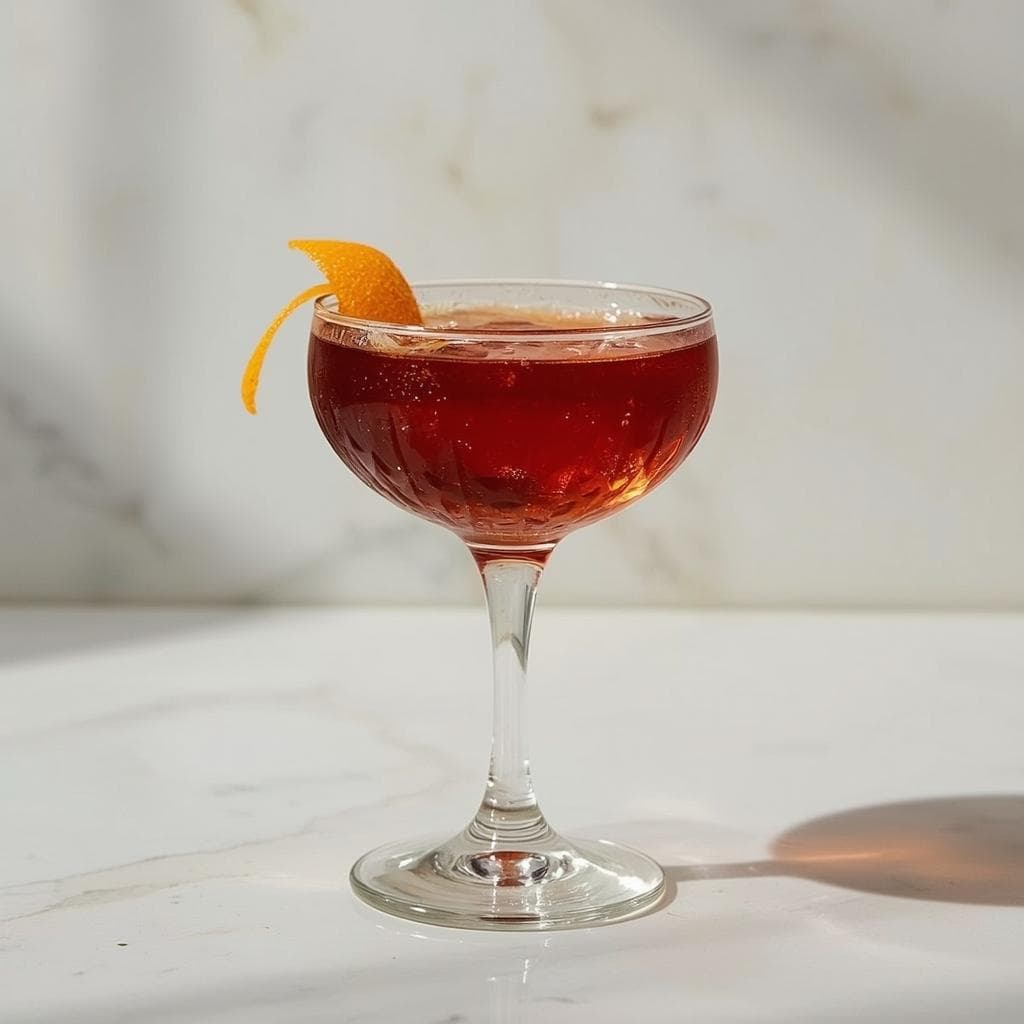
Paladin
A stalwart, spirit-forward riff on the Manhattan, the Paladin marries spicy rye, plush sweet vermouth, and a measured pour of herbal amaro. It is stirred until silken, finished with orange oils, and meant for unhurried sipping.
History of Paladin
The Paladin emerged from the wave of modern cocktail bars that treated the Manhattan as a creative canvas. Bartenders began weaving in amari to add earthy depth and a clean, bitter line, keeping the shape of the original while tightening its focus. Exact authorship is hard to pin down, as similar builds appeared in multiple cities around the same time. By the early 2010s, recipes pairing rye, sweet vermouth, and amaro had coalesced into a recognisable family. The Paladin name nods to a noble, steadfast character, reflecting a drink that feels protective of tradition while brave enough to evolve. It reads as both familiar and new, a deliberate study in restraint. Adoption spread through menus that prized clarity and balance. The drink’s popularity owes much to its reliability: it rewards proper chilling and dilution, tastes composed from the first sip to the last, and suits rooms where conversation matters. In short, it became a quiet classic of the modern era.
Why the Paladin Works
Rye provides a spicy backbone that stands up to fortified wine and amaro without losing definition. The grain’s peppery edge ensures the drink remains lively rather than heavy. It gives the cocktail a confident stride that suits slow sipping. Sweet vermouth adds red-fruit roundness and a delicate herbal thread that binds the edges. Its modest sweetness softens rye’s bite without tipping the balance. When properly chilled, it integrates seamlessly and keeps the finish long. A measured amaro pour deepens bitterness and earth, creating contrast that feels precise, not brooding. Aromatic bitters sharpen definition, while an expressed orange twist brightens the nose. Stirring ensures clarity and a silken texture with just enough dilution to open the flavours.
Should You Mix Ahead?
The Paladin batches beautifully because it is entirely spirit-based. Combine rye, sweet vermouth, amaro, and bitters in a clean bottle and store in the fridge. For service, stir a chilled portion with ice to order and garnish with fresh orange oils. For events, pre-dilute by adding 20 to 25 percent cold water to the batch, then keep it in the freezer. This gives a bar-quality texture when poured straight into chilled glasses, saving time and keeping consistency high. Always label the batch date and keep vermouth-based mixes for no more than a week refrigerated. If the aroma dulls or the colour turns muddy, make a fresh batch. Garnish at the last moment to preserve brightness.
Food & Snack Pairings
Salty snacks such as roasted almonds or mixed olives highlight the drink’s bittersweet core. The salt sharpens the rye’s spice and makes the fruit notes in the vermouth pop. Keep portions small for an aperitif mood. Cured meats and hard cheeses pair well with the Paladin’s herbal depth. Try charcuterie with pepper or fennel and aged cheeses that bring a crystalline bite. The cocktail’s bitterness cleanses the palate between bites. Dark chocolate with a high cocoa content makes a fine after-dinner companion. Its bitterness echoes the amaro while the orange oils add a perfumed contrast. Serve small squares to avoid overwhelming the drink.
How to Make Paladin
Chill your glass and ingredients thoroughly. Measure rye, sweet vermouth, and amaro into a mixing glass, then add aromatic bitters. Fill with solid, fresh ice to the top. Stir smoothly for 20 to 30 seconds until the outside of the tin is very cold and the mix tastes cohesive. You are looking for a slight softening of edges without losing structure. Avoid bruising the ice with aggressive, choppy motions. Strain into the chilled Nick & Nora and express a wide orange twist over the surface, then place it on the rim. Taste for balance before serving; if the amaro reads too dark, an extra small dash of bitters or a slightly larger twist can brighten the nose.
When to Serve
Serve as an aperitif before a rich dinner when a nudge of bitterness will awaken the palate. Autumn and winter evenings suit its spice and herbal warmth. It also works for date nights where the pace is unhurried. Pour one as a nightcap when you want a contemplative sipper that stays composed to the last drop. The clear, stirred format keeps conversation central without clattering cubes. It feels elegant without fuss. At gatherings, pre-batching makes it ideal for receptions and toasts. Its classic profile flatters a wide range of tastes without reading overly sweet. Offer a non-alcoholic twin for inclusive hosting.
Common Mistakes
Using warm or oxidised vermouth dulls the drink and shortens the finish. Always refrigerate opened vermouth and replace bottles regularly. If the aroma smells flat or papery, make a fresh bottle your starting point.
Over-dilution from poor ice or excessive stirring will wash out the rye backbone. Use dense cubes and stop when the drink tastes cold, clear, and integrated. If you go too far, a micro top-up of rye can rescue structure, but best is to remake.
Heavy-handed amaro choices can dominate and tip the balance to medicinal. Start with the recipe’s measure and adjust by a barspoon if needed. A bright orange expression helps lift any brooding edges.
Recommended
Best whiskey for Paladin
Choose a rye whiskey with clear spice and a dry finish so it stands up to fortified wine and amaro. A proof in the mid-forty percent range keeps the drink lively and prevents it from tasting syrupy. Avoid heavily cask-influenced options that can add too much vanilla or sweetness.
Best vermouth for Paladin
Use a sweet vermouth with balanced herbal character and noticeable red-fruit notes. It should complement, not fight, the amaro’s bitterness. Freshness is critical because oxidised vermouth tastes papery and short.
Best amaro for Paladin
Select a medium-bitter amaro with earthy, herbal depth and a hint of citrus peel. Extremely mentholated or syrupy expressions can dominate the glass and mask the rye. Aim for balance that elongates the finish rather than thickening the mid-palate.
Taste Profile
Ingredients
Instructions
Chill and measure
Chill a Nick & Nora glass. Add 2 oz rye whiskey, 1 oz sweet vermouth, 0.5 oz amaro, and 2 dashes aromatic bitters to a mixing glass.
Add ice and stir
Fill the mixing glass with fresh, solid ice and stir smoothly until very cold and well integrated.
Strain
Strain the cocktail into the chilled Nick & Nora, aiming for a clear, glossy surface.
Garnish
Express a wide orange twist over the drink to release oils, then place it on the rim.
Bartender Tips
Keep vermouth fresh
Refrigerate opened vermouth and use within a month for best aromatics; stale vermouth flattens the drink.
Mind your dilution
Stir until the mix tastes cohesive and cold; stop before flavours thin out. Dense ice helps control dilution.
Balance the amaro
If your amaro is very bitter, reduce to 0.4 oz and compensate with an extra barspoon of vermouth.
You can echo the Paladin’s shape with non-alcoholic substitutes for the rye, vermouth, and amaro. Choose a robust zero-proof dark spirit with spice, a red aperitif-style alternative for the vermouth note, and a bitter herbal cordial to stand in for the amaro. Build and stir exactly the same way, then express an orange twist to finish. To compensate for thinner body, add a quarter ounce of strong black tea concentrate or a barspoon of malt extract. This brings tannin and grain warmth that mimic the presence of alcohol. Keep dilution modest to avoid washing out the structure. Serve in a chilled Nick & Nora and keep the garnish identical so the first impression stays familiar. The result will be lighter on the palate but still complex, with a bittersweet core. It is a satisfying option for guests avoiding alcohol without feeling like a compromise.
Similar Drinks
Frequently Asked Questions
Which ingredients should I choose for the best Paladin?
Select a rye with lively spice to stand up to modifiers. Use a fresh, refrigerated sweet vermouth with a balanced herbal profile, and an amaro that is medium-bitter with earthy depth rather than aggressively mentholated. Keep aromatic bitters classic and ensure your orange is firm and fragrant for a clean zest.
What is the correct technique and dilution for this cocktail?
Stir over plenty of cold, solid ice for about 20 to 30 seconds until the tin is frosty and the flavours read as one. Aim for clear, velvety texture rather than aeration. Proper chilling matters as much as dilution, so chill the glass and ingredients in advance.
How strong does the Paladin feel, and when should I serve it?
It drinks as a confident, spirit-forward cocktail with a firm but not punishing bite. Serve before dinner or as a late-evening sipper when you want focus without sweetness. The orange oils keep it bright enough for social settings.
Can I batch it for a party, and what food suits it?
Yes, combine the spirits and bitters, chill, and either stir to order or pre-dilute 20 to 25 percent with cold water for freezer service. Pair with salty nuts, olives, charcuterie, and hard cheeses; small pieces of dark chocolate also complement the bittersweet finish. If a batch tastes flat, add a small fresh portion of vermouth and a zest at service.
Hangover Risk
Risk Level
Hangover risk based on alcohol type, content, and serving size: 3/5. Always drink responsibly.
Recipe Rating
Based on 2 reviews