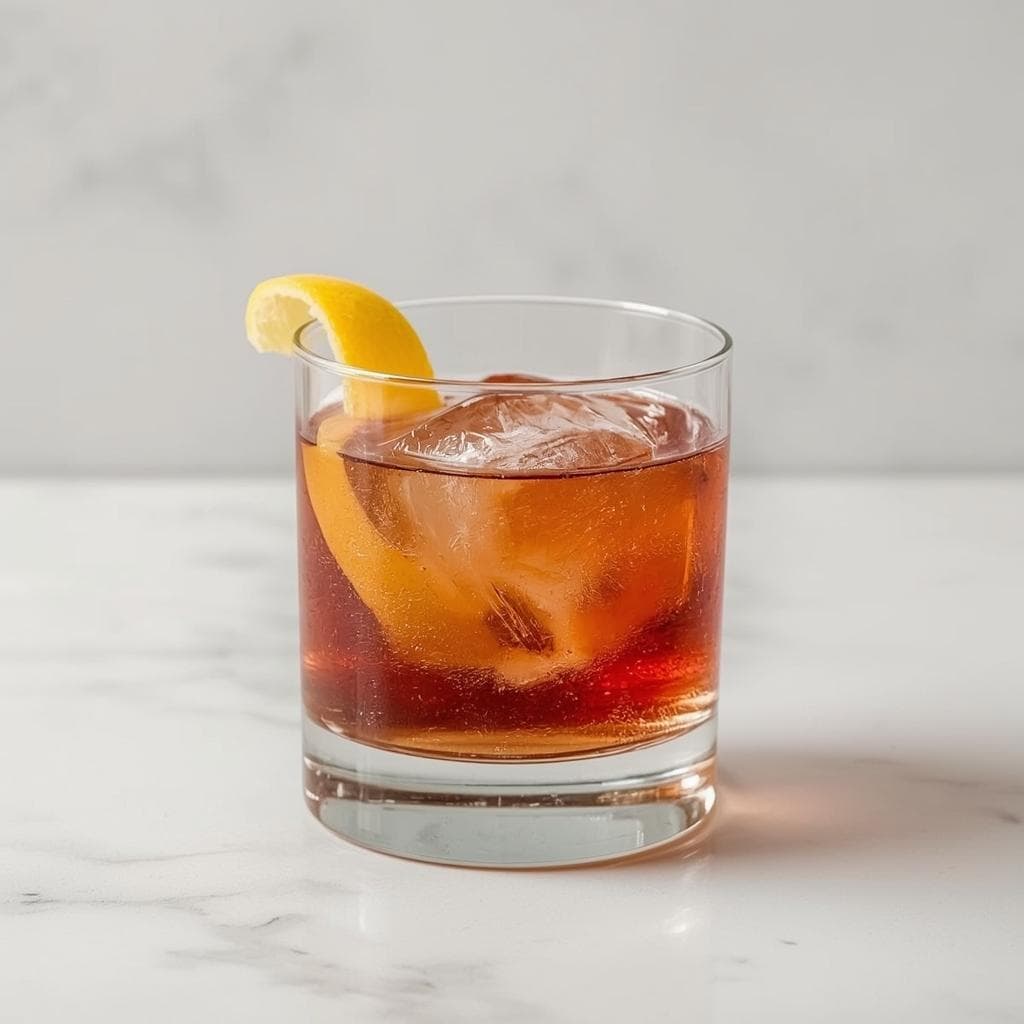
Nuit Rouge
A cognac sour tinted with raspberry and crowned with a float of dry red wine. Tart, velvety, and perfumed, it drinks like twilight in a glass.
History of Nuit Rouge
Nuit Rouge is a modern riff on the New York Sour, swapping whisky for cognac and adding raspberry for a saturated crimson hue. The French name nods to its grape and brandy heart rather than a specific birthplace. Like many contemporary twists, it likely emerged in craft bars where bartenders revisit templates with regional accents. The sour template of spirit, citrus, and sugar has been around since the nineteenth century, and wine floats have long been used to add aroma. Cognac brings a silkier, fruit-laden backbone than grain spirits, which complements red wine’s berry and spice tones. Raspberry syrup reinforces the colour while softening the edges of lemon. While no single creator is verified, the drink reflects a broader move toward elegant, low-garnish presentation and bold colour cues. The name travels well, the method is familiar, and the flavour profile slots neatly into aperitif territory. It feels new without discarding its lineage.
Why the Nuit Rouge Works
Cognac’s stone-fruit richness lays a plush foundation that welcomes citrus without turning harsh. Raspberry syrup bridges spirit and wine, echoing berry notes while lending body for a silky shake. The dry red wine float adds perfume and a touch of tannin, giving a two-act sip that starts bright and finishes dusky. Texturally, a hard shake with plenty of cold ice builds microbubbles that round the acidity. Controlled dilution keeps the cognac expressive while bringing the drink to an approachable strength. The float technique prevents the wine from dominating, so you smell it first and taste it last. Visually, the contrast between ruby top and rosy base invites a slow, appreciative sip. The lemon twist adds high-tone citrus oils that cut through richer fruit. Each element does a job: structure from the sour, depth from the wine, and a clean, aromatic finish from the garnish.
Should You Mix Ahead?
Prebatch the cognac, raspberry syrup, and bitters in a clean bottle, then chill well. Leave the fresh lemon juice and red wine separate. This preserves brightness and keeps the wine from bleeding into the mix. For events, scale the base to the number of serves and label with the ratio and date. Shake each portion with fresh lemon to order and finish with the wine float in the glass. This maintains texture and the crisp, layered look. If you must batch the citrus, keep it cold and use within the day. A small dose of simple syrup can offset juice that has lost a touch of zip. Never pre-add the wine; it belongs on top for aroma and presentation.
Food & Snack Pairings
Charcuterie with cornichons and crusty bread plays beautifully with the drink’s berry-acid balance. The tannin in the wine float tidies up cured fat between sips. Aged cheddar or nutty hard cheeses are particularly good. Grilled chicken with herbs or a rosemary-spiked mushroom skewer suits the brandy’s warmth. The citrus in the drink lifts savoury notes without overwhelming the plate. Keep seasonings clean to let the cocktail’s perfume shine. For snacks, salted almonds, olives, and beetroot crisps accentuate the colour story and the sweet-sour line. A dark chocolate square works as a small finish if serving as a pre-dinner treat. Avoid heavy dessert pairings that could mute the acidity.
How to Make Nuit Rouge
Chill a rocks glass and prepare a large, clear ice cube if available. Add cognac, fresh lemon juice, raspberry syrup, and a dash of orange bitters to a shaker. Fill with solid ice and shake hard for about 12 seconds. Fine-strain into the chilled glass over the large cube to catch ice shards and pulp. This keeps the texture satin-smooth and the dilution controlled. Leave space at the top for the wine float. Gently pour the dry red wine over the back of a bar spoon so it rests as a distinct layer. Express a lemon twist over the surface to release oils, then place it as garnish. Serve immediately while the layers are clean.
When to Serve
Serve as an aperitif before dinner when a touch of acidity wakes the palate. It suits autumn and winter evenings when the red wine note feels especially welcoming. The colour makes it a natural for romantic occasions. At parties, mix the base in advance and float the wine to order for theatre at the bar. The drink photographs well, which helps for celebrations and toasts. Keep glassware chilled to speed service. It is a fine late-afternoon sipper at the weekend when you want something polished but not heavy. The strength sits in the comfortable middle, encouraging conversation rather than haste. Offer a small savoury bite alongside.
Common Mistakes
Using an overly sweet wine will flatten the drink. Choose a dry red with fresh fruit and moderate tannin so the float adds lift, not jam. If it tastes cloying, tighten the build with a few extra drops of lemon.
Under-shaking yields a thin, sharp sour. Shake hard with plenty of cold ice to integrate syrup and citrus, then fine-strain for a glossy texture. If it still feels harsh, stir the finished drink briefly on ice to add a touch more dilution.
Pouring the wine too fast will punch through the layer and muddy the look. Always use the back of a spoon and a slow, steady pour. If the layer breaks, top with a little more wine and let the glass sit for 20 seconds to settle.
Recommended
Best cognac for Nuit Rouge
Choose a youthful to mid-aged cognac with bright orchard fruit and gentle oak. Too woody a profile can clash with lemon and bury the raspberry. A clean, fruity style keeps the base plush and aromatic.
Best wine for Nuit Rouge
A dry, medium-bodied red with fresh berry character and moderate tannin floats cleanly and smells inviting. Avoid sweet or heavily oaked styles that can turn the drink flat and cloying. Chill the wine so the layer sets crisply.
Best bitters for Nuit Rouge
Orange bitters add a fine citrus-spice thread that ties cognac to raspberry and wine. A single dash is enough to lift without turning the drink perfumed. Overuse can add bitterness that fights the tannin.
Taste Profile
Ingredients
Instructions
Chill and prepare
Chill a rocks glass and ready a large, clear ice cube if possible.
Build the base
Add cognac, fresh lemon juice, raspberry syrup, and a dash of orange bitters to a shaker.
Shake hard
Fill the shaker with solid ice and shake vigorously until well chilled and slightly aerated.
Strain
Fine-strain into the chilled rocks glass over the large ice cube, leaving space for the float.
Float and finish
Gently pour the dry red wine over the back of a bar spoon to create a distinct layer. Express a lemon twist over the surface and place it as garnish.
Bartender Tips
Choose the right wine
Use a dry, medium-bodied red with fresh berry notes and moderate tannin so the float adds perfume and structure without sweetness.
Dial the balance
If the drink reads too sweet, add a squeeze more lemon; if too sharp, increase raspberry syrup by a barspoon.
Keep it cold
Chill the glass and the wine; colder components float more cleanly and keep layers crisp.
Mind the pour
Pour the wine slowly over a spoon, just touching the surface, to prevent it breaking through the base.
Build a zero-ABV base by combining a complex, alcohol-free brandy alternative with fresh lemon juice and raspberry syrup. If you do not have a brandy substitute, use strong black tea with a pinch of citric acid to add structure. Shake as you would the original to create body and chill. For the float, pick a dealcoholised dry red wine with decent tannin, or use chilled hibiscus tea for colour and snap. Pour it gently over the back of a spoon so it sits on the surface. You will still get the aromatic top note and the two-stage sip. Taste and adjust the syrup to keep the sweet-sour balance lively since alcohol-free bases often feel thinner. A small pinch of salt can lift fruit and mimic some of alcohol’s length. Serve over a solid cube to slow dilution and keep the lines crisp.
Similar Drinks
Frequently Asked Questions
What cognac and wine should I use for Nuit Rouge?
Pick a VS or VSOP-style cognac with bright fruit and gentle oak so it stays lively with lemon. For the float, choose a dry, medium-bodied red with berry notes and moderate tannin; think fresh rather than heavy. Avoid sweet or heavily oaked styles that can turn the drink flabby.
Do I shake or stir, and how do I get a clean wine float?
Shake the base hard with ice to build texture and proper dilution, then fine-strain over a large cube. Pour the wine slowly over the back of a bar spoon so it rests as a distinct cap. Chilled wine and a steady hand are the keys to a crisp, two-tone finish.
How strong does it feel, and when should I serve it?
It lands around 18% ABV in the glass, with the sour’s brightness making it feel poised rather than heavy. Serve before dinner or at early evening gatherings when a touch of acidity is welcome. The colour and aroma also suit date nights and small celebrations.
Can I batch it, and what are common mistakes to avoid?
Yes, prebatch the cognac, syrup, and bitters, then chill; add fresh lemon and the wine float to order. Common pitfalls include using sweet wine, under-shaking, and pouring the float too fast. If sweetness creeps in, add a squeeze of lemon and a pinch of salt to sharpen the line; if the float breaks, add a little more wine slowly.
Hangover Risk
Risk Level
Hangover risk based on alcohol type, content, and serving size: 3/5. Always drink responsibly.
Recipe Rating
Based on 2 reviews