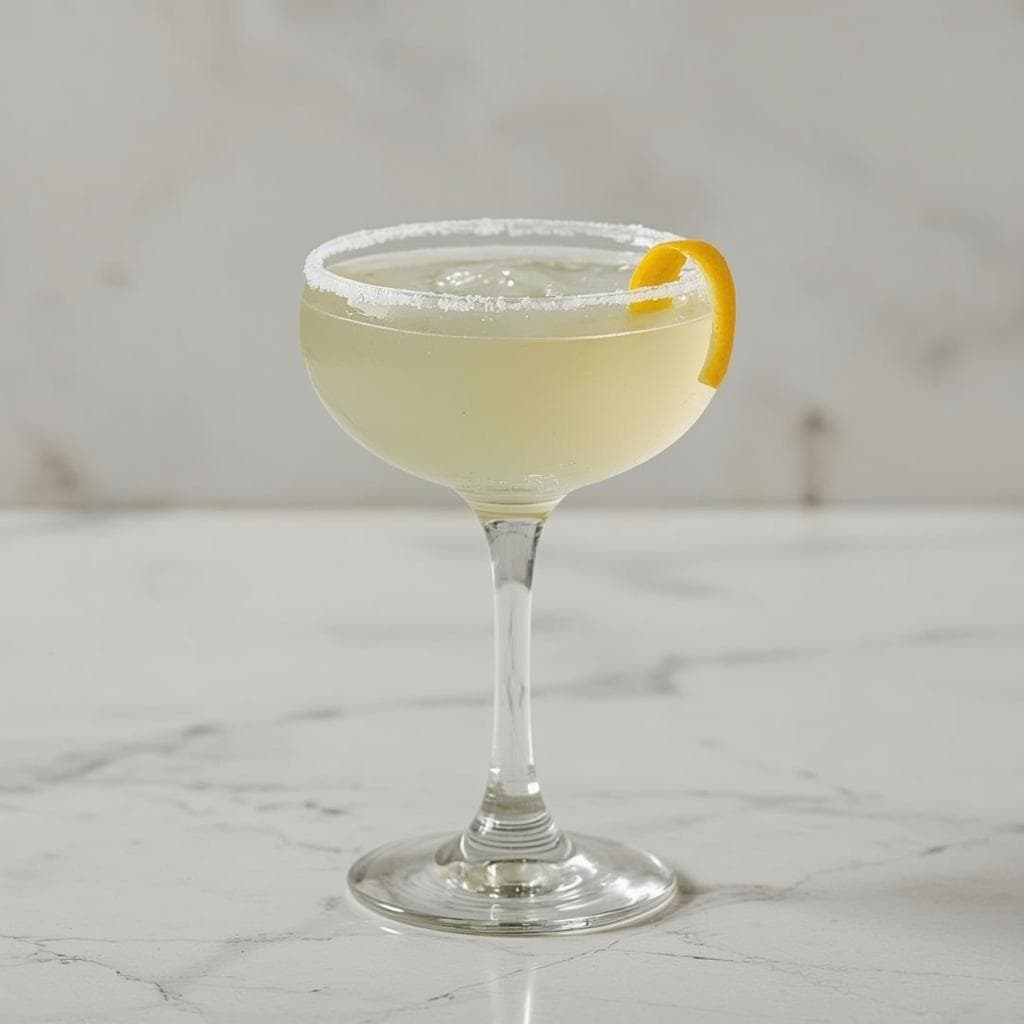
Nuit Blanche
An elegant, pale martini-style cocktail that threads crisp gin with soft blanc vermouth and a whisper of elderflower. Cold, silky, and perfumed with lemon oil, it reads like moonlight in a glass. Bitter edges are polished, not erased, for a poised, night-ready sip.
History of Nuit Blanche
The precise origin of Nuit Blanche is uncertain, though the French name and refined profile point to modern, Euro-minded cocktail bars. It likely emerged during the martini renaissance of the early twenty-first century, when bartenders softened bracing formulas with floral accents and cleaner vermouths. The aim was an urbane drink that stayed sharp while adding a touch of romance. Its name evokes an all-night festival or winter’s pale glow, both fitting for a polished, late-evening sipper. The structure nods to classic martinis, but the elderflower adds a whisper of modernity. The result is a drink that feels timeless yet unmistakably contemporary. As with many recent classics, the recipe has seen minor variations: drier or sweeter vermouths, different bitters, and tweaks in dilution. The through-line is clarity, chill, and a controlled floral lift. What endures is the idea of a white night rendered in glass: bright, calm, and quietly memorable.
Why the Nuit Blanche Works
A backbone of crisp gin sets a clean, juniper-led frame that welcomes subtle sweetness. Blanc vermouth rounds the edges and adds herbaceous lift, keeping the elderflower in check. Proper stirring ensures clarity and control. The elderflower liqueur is used sparingly to suggest, not shout. It cushions the gin while leaving room for a dry finish. Orange bitters provide a thread of spice that prevents the florals from feeling perfumed. Stirring with dense, cold ice achieves the right dilution for texture and aroma. The result is a drink that reads crisp yet gentle, with lemon oils brightening the first sip. Balance, temperature, and restraint make the glass feel effortless.
Should You Mix Ahead?
Nuit Blanche is very batch-friendly because it is all spirituous. Scale the spirits in a clean bottle, omit the bitters and citrus peel, and keep the blend in the fridge or freezer to pre-chill. Add bitters per glass and express the lemon peel to serve. For service at home, pre-dilute the batch by 20 to 25 percent with filtered water and store it in the freezer. This gives you a pour-straight-from-the-bottle experience with ideal texture. Label the bottle with the dilution so you can replicate it. If storing longer than a week, keep the vermouth proportion slightly conservative and aim to finish the batch within two weeks. Cold slows oxidation, but it does not stop it. Taste before service and adjust with a small top-up of gin if the mix has softened too much.
Food & Snack Pairings
Salty, crisp textures flatter the drink’s silkiness. Think olives, salted almonds, or wafer-thin crisps. The lemon oils and florals lift simple canapés without overshadowing them. Seafood is especially good: cured salmon, white anchovies, or a delicate crab toast. The gin’s herbal notes echo the briny sweetness, while the vermouth keeps the pairing fresh. Avoid heavy spice that could smother the aromatics. Soft cheeses with a clean finish, such as young goat’s cheese, work well in small bites. Add a twist of lemon zest or a light herb to mirror the garnish. Keep portions modest to preserve the cocktail’s crisp line.
How to Make Nuit Blanche
Chill a Nick & Nora glass. Fill a mixing glass with cold, dense ice and add gin, blanc vermouth, elderflower liqueur, and a dash of orange bitters. Cold equipment and ice make clean dilution easier. Stir smoothly for 20 to 30 seconds until the outside of the mixing glass is very cold and the drink tastes integrated. You are aiming for roughly 20 to 25 percent dilution. Over-stirring blunts aroma; under-stirring leaves the texture thin and hot. Strain into the chilled glass. Express a wide strip of lemon peel over the surface to perfume the drink, then place it as garnish. Serve immediately while the surface remains glassy.
When to Serve
Serve as an aperitif when you want sophistication without heaviness. It opens the palate with aromatics, not acidity. Early evening suits its calm, luminous character. Winter and late autumn are natural fits, especially for smart gatherings where a clear, cold drink feels right. The floral lift keeps it from turning austere. Candlelight and quiet music complete the scene. It also works as a first round at a dinner party when the menu is seafood-led. The lean profile won’t clash with delicate starters. Keep pours modest to maintain appetite.
Common Mistakes
Using too much elderflower liqueur makes the drink cloying. Keep it to a quarter ounce and rely on vermouth for balance. If it reads sweet, add a barspoon of gin and stir briefly over fresh ice.
Warm glassware dulls the impact. Always pre-chill the glass and use dense, fresh ice for stirring. If the drink seems limp, stir a touch longer or double strain to remove microchips that melt quickly.
Heavy or overly perfumed gin can crowd the florals. Choose a crisp, juniper-led gin and a clean, gently sweet blanc vermouth. If aromatics feel muddled, try a different vermouth and reduce bitters to half a dash.
Recommended
Best gin for Nuit Blanche
Choose a classic, juniper-forward gin with clean citrus and spice. Overly perfumed or heavily flavoured styles will dominate the floral accent and muddy the profile. A crisp base keeps the drink bright and architectural.
Best vermouth for Nuit Blanche
Select a fresh, gently sweet blanc vermouth with clear herbal lift. Oxidised vermouth tastes dull and can flatten the drink, so store it in the fridge and use within a few weeks.
Best liqueur for Nuit Blanche
Use a well-balanced elderflower liqueur that tastes floral rather than sugary. The measure is small by design; it should glide underneath the gin, not sit on top.
Best bitters for Nuit Blanche
Orange bitters add a fine thread of spice and citrus that keeps the florals from feeling perfumed. A single dash is enough; heavy dosing can push the drink into pithy territory.
Taste Profile
Ingredients
Instructions
Chill the glass
Place a Nick & Nora glass in the freezer or fill it with ice and water to chill thoroughly.
Build in mixing glass
Add the gin, blanc vermouth, elderflower liqueur, and a dash of orange bitters to a mixing glass filled with cold, dense ice.
Stir to chill and dilute
Stir smoothly until the outside of the mixing glass is very cold and the flavour tastes integrated, aiming for 20 to 25 percent dilution.
Strain
Discard the ice from the chilled glass and fine strain the cocktail into it for a pristine texture.
Express and garnish
Express the lemon peel over the surface to release oils, then place it as a neat garnish.
Bartender Tips
Control sweetness
Measure the elderflower liqueur carefully. A scant quarter ounce keeps the drink floral without turning it syrupy.
Mind the ice
Use large, dense cubes for consistent dilution. Wet, small ice melts fast and leaves the drink thin and warm.
Perfume, not pith
Express lemon oils over the glass and avoid twisting the peel into the drink if the pith is thick, which can add bitterness.
Swap the gin for a juniper-forward non-alcoholic spirit and use a non-alcoholic aperitif wine in place of blanc vermouth. Replace the elderflower liqueur with a concentrated elderflower cordial, reducing the measure to avoid excess sweetness. Keep the orange bitters if you have an alcohol-free version, or add a single drop of orange blossom water for aroma. Stir with ice just as you would the original and strain into a chilled Nick & Nora. The goal is the same silky texture and cold, glassy presentation. Express a lemon peel over the surface for definition. Expect a lighter body and a softer finish, but the profile remains clear, floral, and gently herbal. If it tastes too sweet, add a barspoon of chilled water or a dash of dry non-alcoholic vermouth-style aperitif. Adjust the cordial in quarter-teaspoon increments until the balance feels poised.
Similar Drinks
Frequently Asked Questions
What style of gin, vermouth, and elderflower liqueur should I use?
Choose a crisp, juniper-led gin with balanced citrus and spice; avoid heavily flavoured styles that dominate. Pick a fresh, gently sweet blanc vermouth with a clean herbal profile. Use a well-structured elderflower liqueur that tastes floral rather than syrupy, and measure it strictly to keep the drink poised.
Should I shake or stir, and how do I nail dilution?
Stir, never shake, to keep the drink clear and silky. Aim for 20 to 25 seconds with cold, dense ice, tasting for a cool, rounded texture. If it is hot or sharp, continue stirring; if it feels flat, shorten the stir next time. Always strain into a pre-chilled glass to lock in temperature.
How strong does it feel, and when is it best served?
Nuit Blanche is spirit-forward and lands around the strength of a classic martini, so sip rather than gulp. It shines as an early-evening aperitif or a late-night, contemplative drink. The lemon oils and floral lift make it ideal for smart gatherings and seafood-led menus.
Can I batch it ahead, and what snacks pair well?
Yes. Combine the spirits without bitters, keep the bottle very cold, and add bitters and lemon oils in the glass. Serve with olives, salted nuts, or delicate seafood canapés to complement the drink’s clean line. If a batched mix tastes sweet after storage, add a small splash of gin and serve extra cold.
Hangover Risk
Risk Level
Hangover risk based on alcohol type, content, and serving size: 3/5. Always drink responsibly.
Recipe Rating
Based on 2 reviews