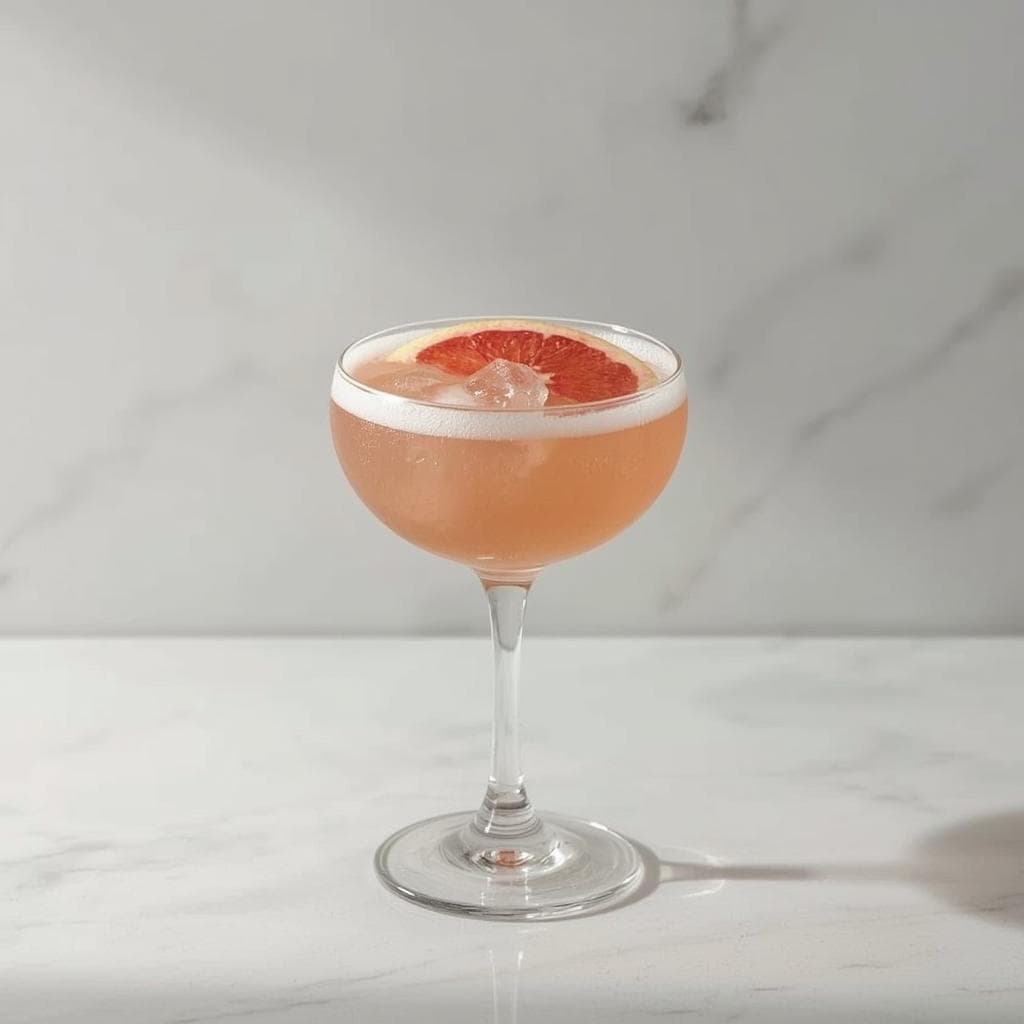
New Rose
A poised gin-and-rosé number with a whisper of rose and a snap of grapefruit. Dry, aromatic, lightly pink, and built for aperitif hour.
History of New Rose
New Rose is a contemporary bar cocktail rather than a museum piece, emerging from the trend of pairing dry rosé with botanical spirits. Its exact origin is hazy, as many bartenders have played with rose syrup, grapefruit, and wine in recent years. What endures is the template: floral sweetness kept taut by citrus and a dry, vinous finish. The drink borrows cues from aperitif culture, where bitterness, dryness, and low-to-moderate strength are prized before a meal. By adding wine to a gin base, it creates length and refreshment without leaning on soda. That structure invites careful chilling and gentle finishing rather than heavy shaking or sweetening. As with many modern creations, variations appear across bars, with tweaks to vermouth style, bitters, or the specific rosé used. The name nods to its blush hue and garden aroma rather than any single bar’s claim. Its appeal lies in adaptability: a platform for seasonal rosés and fresh citrus.
Why the New Rose Works
Gin’s botanicals bring structure, rose syrup supplies aroma, and grapefruit gives brightness. Dry vermouth adds herbaceous lift and keeps sweetness in check, while a measure of dry rosé stretches the palate and softens the gin’s edges. The wine introduces gentle acidity and a faint tannic grip, which lengthens flavour without bubbles or extra sugar. This keeps the drink refreshingly dry even with a floral element present. A dash of bitters binds citrus oils and rose notes, avoiding perfume-like sweetness. Shaken briefly and topped carefully, the texture lands silky and cool with a clean, appetising finish.
Should You Mix Ahead?
You can batch the shaken portion for service: combine gin, vermouth, grapefruit juice, rose syrup, and bitters in a bottle and keep it refrigerated. Do not add rosé until serving to preserve its freshness. Aim for a 15 to 20 percent water addition to mimic shaking if serving straight from the fridge. If you plan to shake to order, pre-chill the batched base and the rosé to reduce melt and speed service. A very cold base means shorter shakes and clearer texture. Keep coupes in the freezer for a crisp first sip. For events, bottle single servings with dilution included and top with rosé at the bar or table. Label the batch date and consume within 24 hours for best citrus character. Always taste before pouring and adjust acidity with a squeeze of grapefruit if needed.
Food & Snack Pairings
Serve alongside smoked salmon blinis or a simple prawn cocktail. The dry rosé and grapefruit cut through richness while the rose aroma adds lift. Soft goat’s cheese with herbs also works beautifully. Light salads with fennel, cucumber, and fresh herbs echo the drink’s freshness. Avoid heavy vinegar dressings that can overwhelm the wine and florals. A lemon-and-olive oil dressing keeps the balance tidy. For snacks, salted almonds or rosemary crisps provide a savoury counterpoint. The cocktail’s dryness appreciates salt and a little fat. Fresh strawberries can also be a playful, seasonal nibble.
How to Make New Rose
Chill a coupe and your rosé. Express a grapefruit twist over the glass later for aroma, so peel a wide strip now and set aside. Add gin, dry vermouth, grapefruit juice, rose syrup, and bitters to a shaker. Fill with plenty of fresh ice and shake hard for 10 to 12 seconds to chill and dilute. Double strain into the chilled coupe for a smooth texture. Top gently with rosé, then express and place the grapefruit twist. Taste the last drops in the tin to check balance before serving.
When to Serve
Best as an aperitif in spring when rosé is crisp and grapefruit is lively. It opens the palate without weighing it down. Lovely at garden parties, wedding receptions, or a smart brunch. Its colour and aroma feel celebratory but restrained. Serve early evening or with the first course. The dry finish makes it a natural bridge to seafood, salads, or soft cheeses.
Common Mistakes
Over-sweetening is common. Measure the rose syrup precisely and keep the rosé dry to avoid a cloying finish.
Warm components dull the drink. Keep the base and rosé cold, use plenty of fresh ice, and shake briefly but firmly.
Cloudy or icy shards can creep in. Double strain to remove chips, and avoid overshaking which adds unnecessary melt and dilutes flavour.
Recommended
Best gin for New Rose
Choose a juniper-led London dry to keep the drink brisk and defined. A citrus-forward profile complements grapefruit and prevents the rose from dominating.
Best vermouth for New Rose
Use a dry, herbaceous white vermouth to add lift and restraint. It should smell fresh and slightly bitter, not sugary.
Best wine for New Rose
Pick a still, dry rosé with bright acidity and subtle red-fruit notes. Avoid heavy oak or residual sugar which can flatten the finish.
Taste Profile
Ingredients
Instructions
Chill and prep
Chill a coupe and peel a wide grapefruit twist. Keep the rosé in the fridge until needed.
Build in the shaker
Add gin, dry vermouth, pink grapefruit juice, rose syrup, and orange bitters to a shaker. Fill with fresh ice.
Shake briskly
Shake hard for 10–12 seconds until thoroughly chilled and slightly aerated.
Strain
Double strain into the chilled coupe to remove ice shards and pulp.
Finish and garnish
Top gently with the chilled rosé wine. Express the grapefruit twist over the surface and place it on the rim or in the glass.
Bartender Tips
Keep sweetness on a leash
Measure the rose syrup carefully and use a dry rosé. If the drink tastes sweet, add a small squeeze of grapefruit to sharpen it.
Chill everything
Cold ingredients shorten the shake and keep textures crisp. Store the rosé and glassware in the fridge or freezer before service.
Mind the top-up
Add the rosé slowly down the side of the glass to avoid foaming and preserve clarity. A gentle stir with a bar spoon knits layers together.
Swap the gin for a non-alcoholic botanical spirit, the vermouth for a zero-proof aperitif, and the rosé for a dry, still dealcoholised rosé. Keep the rose syrup modest and use fresh grapefruit to maintain snap. The result is a fragrant, adult-tasting pink aperitif without the alcohol. Build the base in a jug with the zero-proof spirit, aperitif, grapefruit juice, rose syrup, and a dash of non-alcoholic bitters if you have it. Stir with ice to chill and dilute before straining into coupes. Top with chilled dealcoholised rosé and garnish as usual. Expect a lighter body than the original, so consider a touch more acidity to sharpen the finish. A small squeeze of lemon can correct sweetness if your syrup runs rich. Keep everything very cold to maximise definition.
Similar Drinks
Frequently Asked Questions
What style of gin, vermouth, and rosé works best in the New Rose?
Choose a classic, juniper-forward gin to give the drink a clear spine. A dry, herbaceous vermouth adds lift without extra sugar, and a still, dry rosé keeps the finish crisp. If your rosé is fruitier, reduce the syrup slightly to maintain balance.
Should I shake or stir, and how do I manage dilution?
Shake with plenty of fresh ice to integrate juice and syrup and to build a fine texture. Aim for a firm 10 to 12 second shake, then double strain for clarity. Keep everything cold so you do not over-shake chasing temperature.
How strong does it taste, and can I lower the alcohol?
It drinks medium-light, around 15% ABV in the glass, with dryness from wine and vermouth tempering the gin. To dial it back, use 1 fl oz gin and 3 fl oz rosé, or split the gin with chilled water in a batched version. Keep acidity steady so the drink does not turn flabby.
Can I make it ahead or serve it to a crowd, and what food suits it?
Batch the base without rosé and refrigerate; add measured water to mimic shake dilution if serving straight from the bottle. Top each pour with chilled rosé and garnish just before service. Pair with smoked fish, goat’s cheese, herbed salads, or salted nuts for a clean, appetising match.
Hangover Risk
Risk Level
Hangover risk based on alcohol type, content, and serving size: 3/5. Always drink responsibly.
Recipe Rating
Based on 2 reviews