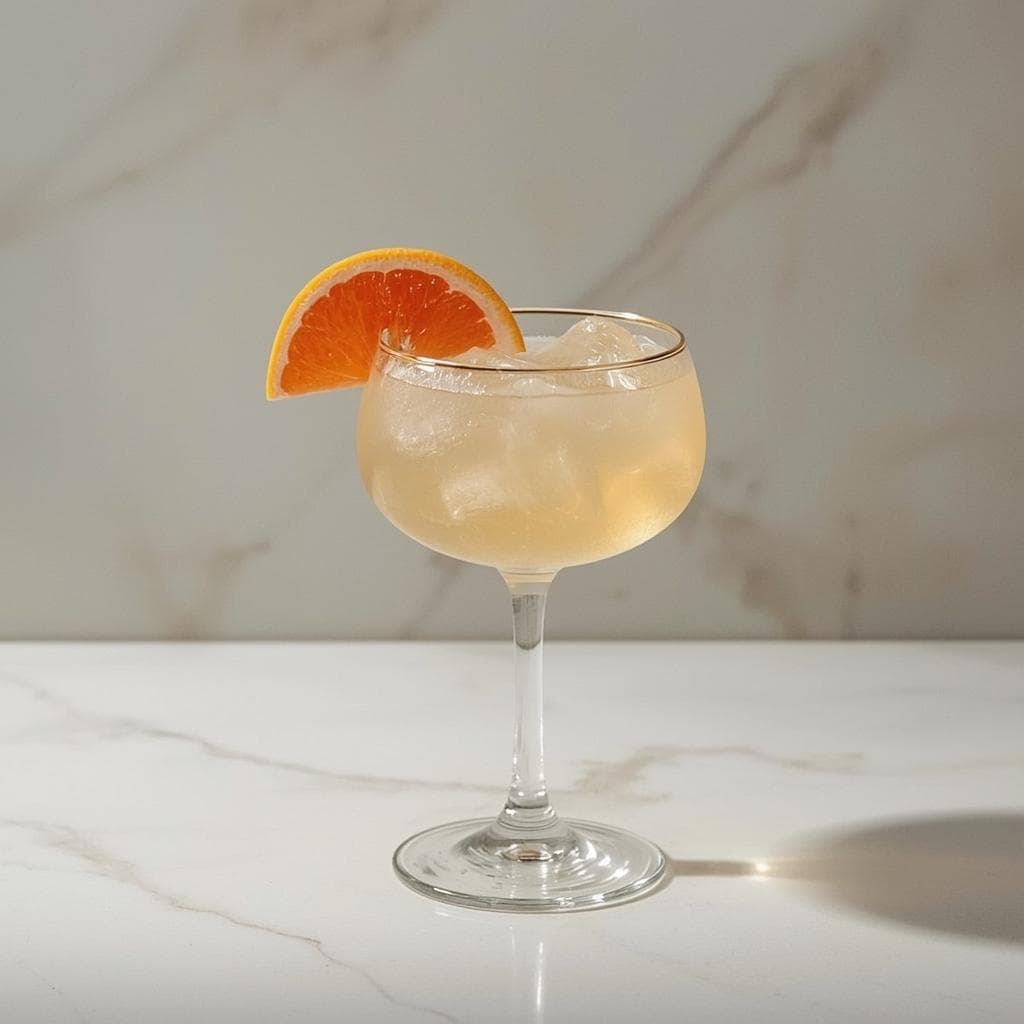
Meridian
A bright, bittersweet gin aperitif that sits between a Martini and a Negroni. Dry vermouth and a bitter orange aperitif round the edges, while a grapefruit twist snaps everything into focus.
History of Meridian
The Meridian is a contemporary bar creation that likely emerged from the modern aperitif revival. Its name nods to lines of longitude and the day’s turning point, signalling a drink that divides afternoon from evening. As with many recent classics, exact authorship is hazy, but the structure shows clear influence from European aperitif culture. Bartenders in the 2010s experimented widely with bitter orange liqueurs and dry vermouth in place of heavier, sweetened components. The aim was to keep the palate sharp while maintaining a silky, spirit-forward profile. The Meridian fits that movement, with gin’s botanicals framed by gentle bitterness and bright citrus oils. Over time, the drink has become a quiet favourite for those who enjoy a Martini but want a touch more colour and approachability. It pours clear, chills beautifully, and rewards precision in dilution. In the right glass with a grapefruit twist, it reads both classic and current.
Why the Meridian Works
Gin brings structure and aromatic lift, while dry vermouth adds herbaceous dryness that lengthens the finish. A bitter orange aperitif contributes gentle sweetness and approachable bitterness, smoothing the edges without turning the drink sticky. Stirring keeps the drink crystalline and controlled, preserving texture while encouraging measured dilution. The water you add through stirring unlocks botanicals and rounds bitterness without blunting it. A grapefruit twist delivers vivid citrus oils that bridge gin’s top notes and the aperitif’s orange tones. The result is a bright, precise serve that invites a second sip rather than shouting for attention.
Should You Mix Ahead?
The Meridian is highly batchable. Combine gin, dry vermouth and bitter orange aperitif in a clean bottle and refrigerate. Add 15–20% cold water by volume if you prefer a ready-to-pour serve that does not require stirring to order. For best texture, skip pre-dilution and stir individual servings over dense ice. If service speed matters, pre-dilute and keep the bottle in the freezer for a near-instant pour. Always give the bottle a gentle turn before serving to ensure even integration. Batched, undiluted mix keeps three to five days in the fridge if your vermouth is fresh and cold-stored. Label the bottle with the date and use a funnel to avoid oxygen exposure. Discard if aromas turn dull or papery, a sign of oxidised vermouth.
Food & Snack Pairings
Salty, simple snacks shine: mixed olives, roasted almonds, or thin crisps with sea salt. The drink’s dryness refreshes between bites and clears the palate. A sliver of aged hard cheese also works nicely. Seafood is a natural partner. Try cured salmon, anchovy toasts, or a citrus-dressed white fish crudo. The bittersweet orange notes echo lemon zest and lift briny flavours. For something heartier, serve with grilled chicken skewers or a goat’s cheese tart. The Meridian’s herbal backbone cuts through richness without fighting the plate. Keep sauces light and avoid heavy sweetness.
How to Make Meridian
Chill a Nick and Nora glass. Measure gin, dry vermouth and bitter orange aperitif into a mixing glass. Add two dashes of orange bitters. Fill the mixing glass with cold, dense ice and stir until the outside of the tin feels very cold, about 20–25 seconds. You are aiming for clear texture and around 20–25% dilution. Fine strain into the chilled glass. Express a wide grapefruit peel over the surface to coat it with oils, then trim and place as a tidy garnish. Serve immediately while frosty.
When to Serve
Serve as a pre-dinner aperitif when appetites are waking up. It’s ideal at the golden hour, where the grapefruit twist mirrors the sky. The measured bitterness sets up a meal beautifully. Spring and early summer suit the Meridian best, though it drinks year-round with the right snack. Its brightness plays well with longer evenings and lighter menus. It also works for smart brunches where a Bloody Mary feels heavy. Keep pours modest and glasses small for a crisp, conversational pace.
Common Mistakes
Over-dilution blunts the drink. Use plenty of fresh, hard ice and stop stirring when the mixing glass turns very cold but not frosted through. Taste a test batch to learn your preferred stir time.
Flat vermouth ruins balance. Store vermouth in the fridge, cap tightly, and replace the bottle after a month or when flavours turn papery. If in doubt, open a fresh bottle.
Skipping the citrus expression loses the top notes. Use a wide, fresh peel and express confidently over the surface. If the peel splinters, cut a new one for a clean finish.
Recommended
Best gin for Meridian
Choose a juniper-forward London dry style to provide structure and a crisp backbone. Citrus and herbal notes should be present but not perfumed, keeping the finish dry and focused. Avoid sweetened or strongly flavoured expressions that could upset balance.
Best vermouth for Meridian
Use a fresh, dry vermouth with clear herbal character and a restrained sweetness. Oxidation shows quickly, so buy smaller bottles if you mix occasionally and keep them refrigerated. The vermouth should lengthen the palate and tidy the finish.
Best amaro for Meridian
Select a light, bitter orange amaro or aperitivo with moderate sweetness and bright citrus peel. Heavy, dark amaros overwhelm the drink and mute the vermouth’s delicacy. The goal is a gentle, friendly bitterness that supports rather than leads.
Taste Profile
Ingredients
Instructions
Chill the glass
Place a Nick and Nora glass in the freezer or pack with ice and water to chill thoroughly.
Combine ingredients
Add the gin, dry vermouth and bitter orange aperitif to a mixing glass. Add two dashes of orange bitters.
Stir to chill and dilute
Fill the mixing glass with cold, dense ice and stir until very cold, about 20–25 seconds, aiming for a clear, silky texture.
Strain
Discard ice from the glass if used, then fine strain the cocktail into the chilled Nick and Nora.
Garnish and serve
Express a wide grapefruit peel over the surface to release oils, then trim and place neatly as garnish. Serve immediately.
Bartender Tips
Mind your vermouth
Keep vermouth refrigerated and fresh. Oxidised vermouth dulls the drink; open a new bottle when flavours turn papery.
Control dilution
Use large, hard ice and stir just until very cold. Over-stirring waters the drink and mutes aromatics.
Express with intention
A clean, wide grapefruit peel and a confident expression give the drink its high notes. Avoid pith-heavy peels which add bitterness.
To make a non-alcoholic Meridian, use an alcohol-free gin alternative, a dry-style non-alcoholic aperitif or a homemade bitter orange syrup, and a dry white tea or verjus in place of vermouth. Keep the ratios similar, then adjust sweetness with a few drops of water or a tiny pinch of salt to tighten the finish. Stir over plenty of ice for clarity and texture, just as you would with the original. Focus on aromatic lift. Express a grapefruit twist to provide the top notes that help a no-alcohol version feel bar-quality. If using syrup, go sparingly; the drink should finish dry, not cloying. Serve very cold in a small, elegant glass to mimic the feel of a classic aperitif. Pre-chill the glass and consider a single cube if serving over rocks. A small saline drop can add structure and compensate for the missing alcoholic bite.
Similar Drinks
Frequently Asked Questions
What style of gin, vermouth and bitter orange aperitif should I choose for the Meridian?
Select a classic, juniper-led gin to provide structure and lift. Choose a dry vermouth that tastes fresh, herbal and clean rather than sweet or oxidative. For the bitter orange component, look for a light, approachable aperitif with gentle bitterness so the drink remains bright and dry.
Should I shake or stir, and how long?
Stir the Meridian, as all ingredients are clear and benefit from a silky texture. Use plenty of cold, dense ice and stir for about 20–25 seconds until the mixing glass feels very cold. You want clarity and controlled dilution rather than aeration.
How strong does the Meridian feel, and can I make it lighter?
It drinks medium-strong, with a clean finish and a gentle bitter snap. To lighten it, increase the dry vermouth slightly and reduce the gin, or stir a touch longer for a bit more dilution. Keep the aperitif modest so the drink stays crisp.
Can I batch it ahead, and what food pairs well?
Yes. Pre-mix the spirits and keep chilled; add 15–20% water if you want a ready-to-pour bottle. Serve with olives, roasted nuts, cured fish or a simple goat’s cheese tart, all of which complement the drink’s dryness and citrus-led aromatics.
Hangover Risk
Risk Level
Hangover risk based on alcohol type, content, and serving size: 2/5. Always drink responsibly.
Recipe Rating
Based on 3 reviews