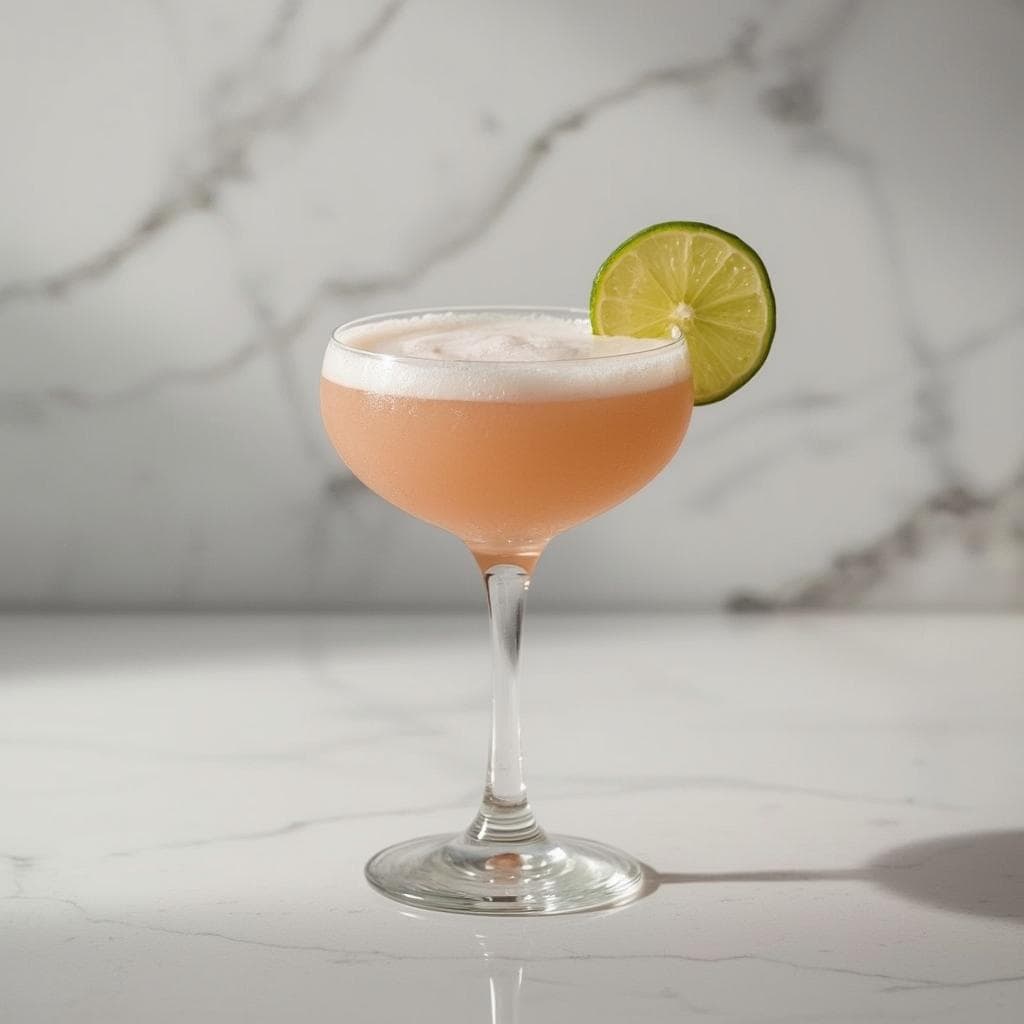
Lychee Daiquiri
A tropical riff on the classic: light rum sharpened by lime and rounded with perfumed lychee. Clean, floral, and refreshingly tart with just enough sweetness to glide.
History of Lychee Daiquiri
The Daiquiri itself hails from Cuba, a paragon of the sour family that relies on rum, lime, and sugar. Its exact early evolution is debated, but the drink’s clean symmetry made it a global staple by the mid-twentieth century. Bartenders have long used it as a canvas for measured seasonal riffs. The Lychee Daiquiri folds in an Asian fruit prized for perfume and gentle sweetness. Its rise traces to late-twentieth-century bars exploring tropical and pan-Asian flavours. While no single inventor is firmly documented, the style aligns with a broader wave of fruit-led, fine-strained sours. Canned lychee and quality purées helped the drink travel, allowing consistent flavour outside peak seasons. The template remains classic in structure, simply swapping some sugar for lychee’s floral flesh. In the glass, it reads modern yet faithful to the original’s brisk, crystalline feel.
Why the Lychee Daiquiri Works
Lychee brings floral sweetness that softens rum’s edges without blunting lime’s snap. The fruit’s perfume adds top notes that make a light rum feel more complex. Keeping the sugar modest preserves a refreshing finish. A short, vigorous shake maximises chill and micro-aeration while avoiding over-dilution. This creates a tight texture with a delicate foam that carries aroma to the nose. The result is crisp and vivid rather than heavy. Fine straining removes fibre from the purée, ensuring a polished, seamless sip. Serving in a chilled coupe concentrates aromatics and keeps the temperature low. The combination reads balanced, bright, and wonderfully perfumed.
Should You Mix Ahead?
You can batch the chilled components without ice for small gatherings. Combine rum, lychee purée, lime juice, and simple syrup in a bottle, then refrigerate for at least two hours. Shake individual portions with fresh ice to restore texture and proper dilution. For larger batches, pre-dilute at roughly 15–20 percent water by volume to approximate shaking. Keep the batch very cold and serve from the fridge or over a large cube to maintain temperature. Always fine strain to keep the texture sleek. Shelf life is guided by lime. Batched with citrus, it is best the day it is made and acceptable up to 24 hours if kept cold. If batching earlier, hold back the lime and add it just before service.
Food & Snack Pairings
The floral sweetness and bright acidity pair well with spicy foods. Try Thai-style salads, chilli-lime prawns, or Sichuan pepper snacks to let the drink’s coolness offset the heat. The lychee’s perfume complements aromatic herbs like mint and coriander. Sushi and sashimi benefit from the cocktail’s clean profile, which refreshes the palate between bites. Light ceviche, crab, or grilled white fish also shine alongside its citrus snap. Avoid overly creamy dishes that can mute the drink’s delicacy. For snacks, salted cashews, wasabi peas, or prawn crackers are simple and effective. Fresh fruit skewers with pineapple or melon echo the tropical note without overwhelming it. A savoury sesame cracker adds pleasing contrast.
How to Make Lychee Daiquiri
Chill a coupe thoroughly to keep the finish crisp. If using canned lychee, blend the fruit with a little syrup and fine strain to a smooth purée. Measure all ingredients precisely to protect the sour’s balance. Add rum, lychee purée, fresh lime juice, and simple syrup to a shaker. Fill with solid ice and shake hard for about 10 to 12 seconds until well chilled and lightly aerated. Hard shaking controls dilution and brightens texture. Double strain into the chilled coupe to catch any pulp or shards. Garnish with a skewered lychee or a slim lime wheel. Serve immediately while the froth is tight and aromatic.
When to Serve
Serve as an aperitif when you want something vivid but not heavy. It sets the palate with clean lines and a lightly floral nose. Ideal just before a meal featuring seafood or spice. This shines in warm weather, garden parties, and summer evenings. The chilled texture and perfume feel tailor-made for terraces and picnics. It also suits weddings and celebrations where a crowd-pleasing, elegant option is needed. For a quieter moment, it is lovely at the start of a date night. The drink reads refined without fuss. Keep a few lychees on hand for an easy garnish that looks impressive.
Common Mistakes
Over-sweetening is the most common issue, especially with canned fruit. Start with a modest amount of simple syrup and adjust after a test shake. If it tastes cloying, add a touch more lime and shake again.
Under-shaking leaves the drink warm and flat. Use plenty of solid ice and shake hard for at least 10 seconds to achieve proper chill and dilution. Fine strain to keep the texture sleek, not pulpy.
Using old lime juice dulls the drink. Always juice fresh and chill your glass in advance. If the lychee purée tastes muted, add a pinch of salt to lift flavour.
Recommended
Best rum for Lychee Daiquiri
Choose a light, clean rum so lychee’s floral character can shine. Column-distilled styles typically read crisp, offering structure without heavy oak or molasses notes. Overly aged or pot-still-heavy rums can dominate and muddy the perfume.
Taste Profile
Ingredients
Instructions
Chill and prep
Chill a coupe. If making your own lychee purée, blend lychees with a little syrup and fine strain until smooth.
Build in shaker
Add white rum, lychee purée, fresh lime juice, and simple syrup to a cocktail shaker.
Shake hard
Fill the shaker with solid ice and shake vigorously until well chilled and lightly aerated, about 10–12 seconds.
Double strain
Double strain into the chilled coupe to remove ice shards and any pulp.
Garnish and serve
Garnish with a skewered lychee or a slim lime wheel. Serve immediately.
Bartender Tips
Balance to taste
Lychee varies in sweetness. Start with 0.25 fl oz of simple syrup, then adjust after a test shake if needed.
Fine strain for polish
Fine strain both the purée and the cocktail to keep the texture sleek and prevent pulp from weighing down the finish.
Keep it cold
A chilled glass and solid ice yield brighter aroma and better structure. Warmware and wet, melting ice flatten the drink.
For an alcohol-free version, replace rum with a zero-alcohol white spirit alternative or a split of coconut water and a touch of white wine vinegar for bite. Keep the lychee purée and fresh lime, then adjust simple syrup to taste. Shake hard with ice and fine strain into a chilled coupe. If you cannot find fresh lychee, use canned fruit and its syrup, blending and straining to a smooth purée. Aim for a bright, tart-sweet profile that finishes clean rather than sticky. A squeeze more lime can lift the finish if the fruit tastes flat. For batching, combine the purée, lime, and non-alcoholic base in advance and keep very cold. Shake individual serves with ice to restore texture, or flash-blend briefly for a frothier take. Garnish with a lychee or a neat lime wheel for aroma.
Similar Drinks
Frequently Asked Questions
What rum works best in a Lychee Daiquiri?
Choose a light, column-still style that is clean and crisp. You want the rum to provide backbone without overshadowing lychee’s floral character. Avoid heavily aged, woody rums that can feel too caramelised here.
Can I use canned lychees and how do I make the purée?
Yes. Blend drained lychees with just enough of their syrup to move the blades, then fine strain for a smooth texture. Taste and adjust with a squeeze of lime if the fruit seems overly sweet.
How strong does it taste and how can I adjust the strength?
It drinks medium-light, with about a 16% ABV in the glass after shaking. For a lighter serve, reduce rum slightly and increase purée, keeping lime steady for balance. For a drier, punchier profile, skip the extra syrup and shake a touch longer.
Can I make it ahead or batch for a party, and when should I serve it?
You can batch the base and keep it very cold, then shake individual portions to restore texture. It is perfect as a summer aperitif, especially with seafood or spicy canapés. If batching far in advance, add the lime on the day to keep it bright.
Hangover Risk
Risk Level
Hangover risk based on alcohol type, content, and serving size: 3/5. Always drink responsibly.
Recipe Rating
Based on 2 reviews