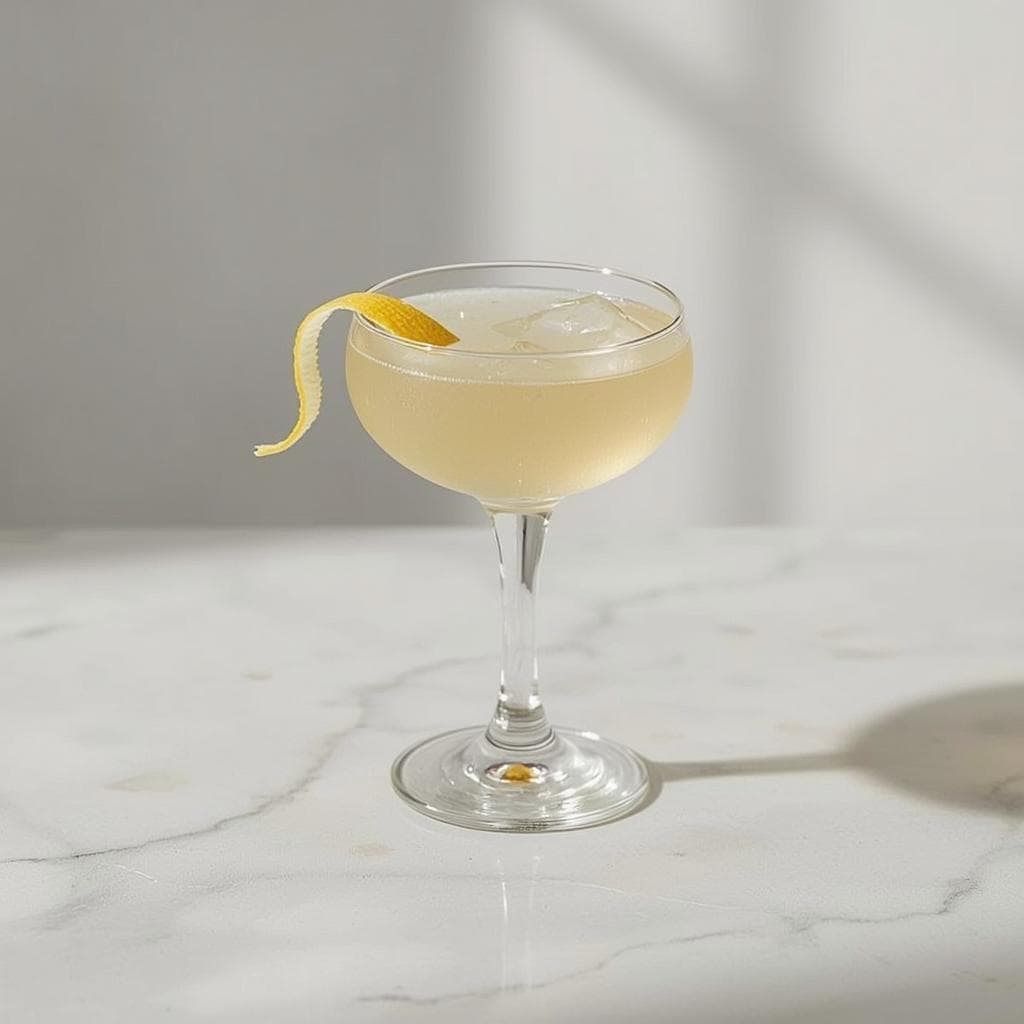
Lieutenant
A crisp, aromatic gin aperitif that splits the difference between a Dry Martini and a Martinez, lifted by maraschino and orange bitters.
History of Lieutenant
The Lieutenant likely emerged from modern bar culture that enjoys tinkering at the edges of the Martini template. Its DNA suggests an attempt to thread the needle between the dryness of a Martini and the perfumed sweetness of a Martinez. The exact origin is unclear, but the style fits the early 21st-century revival of spirit-forward classics. Bartenders increasingly explored small, precise additions to familiar builds to add nuance without clouding texture. A quarter-ounce of maraschino liqueur and a couple of dashes of bitters can transform gin and dry vermouth into something more conversational. This minimalist approach respects tradition while adding a contemporary sheen. The name leans into rank and hierarchy, a playful nod to the Martini’s reputation as an officer’s drink. In practice, it is an approachable aperitif with just enough complexity to feel considered. It is the kind of drink that moves easily from pre-dinner to late-evening contemplation.
Why the Lieutenant Works
A dry backbone of gin and vermouth creates a clean, bracing structure that welcomes subtle ornamentation. Maraschino liqueur supplies a whisper of stone-fruit sweetness that rounds the edges without tipping into syrupy territory. Orange bitters provide aromatic lift and a delicate pithy note that lengthens the finish. They also bridge the gin’s botanicals with the lemon oils from the twist, making the whole feel integrated and purposeful. Because the drink is stirred and served up, texture remains silky and cold rather than frothy. Proper dilution delivers clarity: enough water to open the florals and fruit, but not so much that the drink feels thin.
Should You Mix Ahead?
The Lieutenant is highly batchable. Combine gin, dry vermouth and maraschino in a clean bottle and store in the fridge for up to one week to preserve aromatics in the vermouth. Omit bitters and citrus until service so the profile stays crisp. When ready to serve, pour the pre-chilled mix into a mixing glass filled with fresh ice, add bitters, and stir to your desired dilution. Because the base is already cold, you will need fewer stirs than usual. Aim for texture rather than a time count. For parties, pre-dilute: add 15–20% cold filtered water to the batch, then keep it in the freezer. This yields a near-ready pour you can strain straight to chilled glassware and finish with a twist.
Food & Snack Pairings
Salty, briny snacks flatter the Lieutenant’s clean lines. Think olives, anchovy toasts, or salted almonds to echo the drink’s dryness and lift the botanicals. Light seafood shines, especially oysters, prawns or a simple cured salmon. The drink’s citrus and stone-fruit notes refresh between bites without overwhelming delicate textures. For cheese, choose firm and nutty styles or a young goat’s cheese. Avoid very ripe or blue cheeses that would drown out the gentle maraschino nuance.
How to Make Lieutenant
Chill your Nick and Nora and your bottle of vermouth. Cold glassware and ingredients reduce the amount of stirring needed and keep flavours sharp. Add gin, dry vermouth, maraschino liqueur and orange bitters to a mixing glass filled with quality cubed ice. Stir smoothly, not violently, until the outside of the tin is very cold and the drink tastes integrated. Fine strain into the chilled glass to catch ice chips. Express a lemon twist over the surface, rub the rim lightly, and drop or discard according to preference.
When to Serve
Serve before dinner when you want something bright, dry and appetite-whetting. It sets the tone without stealing the show. It works beautifully at spring and early summer gatherings, where its floral and citrus notes feel at home. A neat option for a refined garden party or terrace aperitif. Late in the evening, it serves as a thinking drink: crisp, uncluttered and calm. If the night calls for focus rather than flair, this is the glass.
Common Mistakes
Over-dilution is the most common error. If you stir for too long or use wet, hollow ice, the drink turns thin and loses aroma. Use dense cubes and taste as you stir.
Tired vermouth will flatten the profile. Keep vermouth refrigerated, buy modest bottles, and replace them regularly to maintain freshness.
Too much maraschino shifts the drink out of balance. Measure precisely at a quarter-ounce and rely on bitters and the twist to provide extra lift.
Recommended
Best gin for Lieutenant
Choose a classic, juniper-led gin with a clean citrus and herbal profile. Avoid sweetened or heavily flavoured expressions that would muddy the drink’s dry line.
Best vermouth for Lieutenant
Use a dry vermouth that tastes brisk, clean and lightly herbal rather than aggressively bitter. Freshness is essential; once opened, store in the fridge and plan to finish within a month.
Best liqueur for Lieutenant
Maraschino liqueur brings a transparent cherry-almond note and gentle sweetness. Seek a drier style so the drink remains firmly on the aperitif side of the spectrum.
Taste Profile
Ingredients
Instructions
Chill and prepare
Chill a Nick and Nora glass and ensure your vermouth is cold; colder ingredients require less stirring and preserve aroma.
Build in mixing glass
Add gin, dry vermouth, maraschino liqueur and orange bitters to a mixing glass filled with fresh cubed ice.
Stir to chill and dilute
Stir smoothly until very cold and silky, tasting for balance rather than watching the clock.
Strain
Fine strain into the chilled Nick and Nora to remove ice shards for a glass-clear presentation.
Garnish
Express a lemon twist over the surface, rub the rim lightly, and drop it in or discard to taste.
Bartender Tips
Keep vermouth fresh
Refrigerate vermouth and use within a month for best flavour; stale vermouth tastes papery and dull.
Control dilution
Use dense, fresh ice and stir just until the drink tastes cold, glossy and integrated to avoid a watery finish.
Measure the maraschino
A true quarter-ounce is enough; more will dominate and push the drink off its dry axis.
Build a non-alcoholic Lieutenant by using an alcohol-free botanical spirit in place of gin and a dry, zero-proof aperitif to stand in for vermouth. Swap the maraschino liqueur for a small measure of rich cherry syrup balanced with a few drops of almond extract or aromatic bitters alternative. Keep the technique identical: stir with ice to chill and dilute, strain into chilled glassware, and finish with a bright lemon twist. Mind sweetness. Without alcohol’s structure you will need slightly less syrup than the original maraschino measure. Taste after stirring and, if it feels flat, add a pinch of citric solution or a tiny splash of verjus to restore snap. Serve as you would the original, pre-dinner or whenever a crisp, clear drink suits. The result is fragrant, clean and grown-up, with enough botanical lift to feel like a proper aperitif. It also batches well for gatherings; keep it cold and add dilution right before service.
Similar Drinks
Frequently Asked Questions
What style of gin and vermouth works best in the Lieutenant?
Choose a classic, juniper-led gin to give structure, avoiding overly sweet or flavoured expressions. Pair it with a fresh, dry vermouth that is crisp rather than heavily herbal, and keep the bottle refrigerated to preserve brightness.
Should I shake or stir the Lieutenant, and how long should I stir?
Stir, never shake. Stir with plenty of quality cubed ice until the drink is very cold and tastes integrated, usually around 20 to 30 seconds, then adjust by taste rather than a strict timer.
How strong does it taste and when should I serve it?
It drinks like a firm aperitif: cool, silky and decidedly spirit-forward, with a dry finish and a whisper of stone fruit. Serve before dinner, at elegant gatherings, or when a crisp, uncluttered cocktail suits the moment.
Can I batch the Lieutenant ahead of time and avoid common mistakes?
Yes. Combine the base spirits in advance, chill thoroughly, and add bitters and the lemon twist at service. Avoid over-diluting by stirring less than usual with pre-chilled batches, and keep vermouth fresh to prevent a dull, papery finish.
Hangover Risk
Risk Level
Hangover risk based on alcohol type, content, and serving size: 3/5. Always drink responsibly.
Recipe Rating
Based on 3 reviews