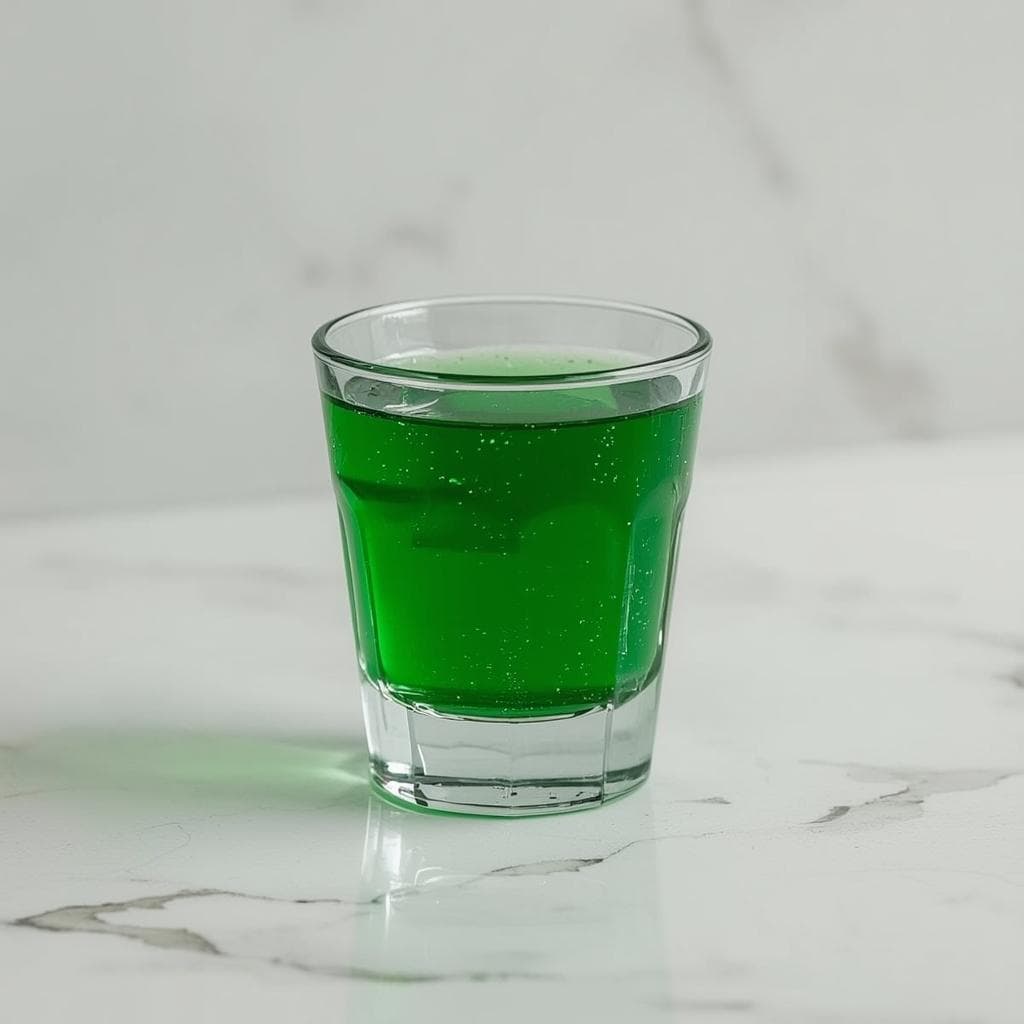
Incredible Hulk Shot
A vivid green party shot that marries fruity blue liqueur with rich cognac. Balanced sweetness, oak warmth, and a quick shake over ice deliver a smooth, punchy sip with comic-book colour.
History of Incredible Hulk Shot
The Incredible Hulk has roots in early 2000s American nightlife, where a blue tropical fruit liqueur met cognac and turned an eye-catching green. Its original serve was often a short cocktail, but the recipe quickly adapted into a shot for faster service and punchier impact. Exact origin stories vary, as is common with popular bar creations, but the colour and contrast made it a fast favourite. The shot format built its reputation at busy lounges and parties where equal parts were easy to remember and quick to batch. Bartenders found the drink approachable for mixed groups: a fruity top note for newcomers and a solid spirit backbone for seasoned drinkers. The hue also made it a talking point, guaranteeing repeat orders in crowded rooms. As tastes evolved, so did technique. A vigorous shake over fresh ice became standard to soften the edges and tighten the texture. The modern approach keeps the ratio simple, leans on very cold service, and prizes a clean, bright green in a chilled shot glass.
Why the Incredible Hulk Shot Works
Equal parts bring fruit and oak into a neat truce, with sweetness balanced by spirit heat. Shaking chills rapidly and adds just enough dilution to smooth the palate without muting flavour. The blue liqueur and amber cognac combine to a vivid green that looks bold and reads instantly on a busy bar. Cognac supplies structure, dried fruit, and gentle spice, which anchors the liqueur’s tropical and citrus notes. The combination tastes fuller than either part alone, producing a rounded mid-palate and a clean, warming finish. Served very cold, the edges knit and the sweetness feels composed rather than cloying. The ratio is memorable and highly repeatable, which keeps rounds consistent even under pressure. Minimal ingredients reduce variance, while a brisk 10–12 second shake guarantees temperature and texture. The result is a smooth, cohesive shot with crowd-pleasing flavour and striking colour.
Should You Mix Ahead?
You can premix equal parts of the two spirits and keep the blend sealed in the fridge. Chilling reduces the shake time and ensures consistent rounds for a crowd. Shake each serve with fresh ice to restore brightness and texture. Avoid storing the mix over ice, which will over-dilute and wash out flavour and colour. Instead, keep it cold in a closed bottle and strain through fresh ice contact only when serving. The colour holds well for several days if kept away from light. For events, pre-batch into a jug with clear labelling and a jigger nearby. Train your pourers on the shake-and-strain step to maintain quality. Keep shot glasses in the freezer for fast, frosty service.
Food & Snack Pairings
Salt-driven snacks are ideal: salted crisps, roasted nuts, or olives sharpen the sweetness and reset the palate. The shot’s fruit notes also complement lightly spiced snack mixes. Keep portions small to match the short serve. Fried bites like tempura prawns or karaage offer crunch and savoury depth against the liqueur’s tropical notes. A squeeze of lemon on the side ties flavours together. Avoid heavy sauces that might overpower the shot. Spicy wings or chilli-laced skewers pair well with the drink’s cooling sweetness. Fresh cucumber sticks with a pinch of salt also refresh between rounds. The goal is contrast and a quick palate reset.
How to Make Incredible Hulk Shot
Chill a shot glass in the freezer for a few minutes. Measure equal parts cognac and blue tropical fruit liqueur into a shaker. Fill the shaker with plenty of fresh cubed ice. Shake hard for about 10–12 seconds until the tin is frosty. The aim is rapid chilling and a touch of dilution to smooth the edges without blunting flavour. Over-shaking risks excess water and a washed-out finish. Fine strain into the chilled shot glass to keep out ice chips for a glossy surface. Serve immediately while very cold and vividly green. Repeat in quick rounds for consistency.
When to Serve
Serve at lively parties where colour and speed make a difference. It suits summer evenings, back-garden gatherings, and celebratory toasts. The cold, fruity profile reads well early in the night. It also works late, when the room wants one more fun round with minimal fuss. Because it is a quick serve, it slots neatly between longer drinks. Keep glasses chilled for fast, crisp service. Use it as an ice-breaker at small get-togethers or as a signature at themed nights. The memorable colour encourages group orders and photos. Offer in pairs for sharing.
Common Mistakes
Over-dilution from tired or wet ice dulls flavour and fades colour. Use fresh, hard cubes and shake briskly but briefly. Strain promptly to the glass and serve immediately.
Incorrect ratios lead to either cloying sweetness or harsh heat. Stick to a strict 1:1 measure and taste a small test if batching. Maintain the same jigger for both ingredients to avoid drift.
Warm ingredients yield a flabby texture and a thin finish. Pre-chill the bottles and glass if possible. If service is slammed, at least keep the liqueur cold for a cleaner snap.
Recommended
Best cognac for Incredible Hulk Shot
Choose a young, fruit-forward cognac with a clean finish; VS or a lighter VSOP works well. You want dried fruit, vanilla, and gentle spice that can hold its own without overwhelming the liqueur. Avoid overly woody or heavily oxidised styles which can taste flat when very cold.
Best liqueur for Incredible Hulk Shot
Use a blue tropical fruit liqueur with clear passion fruit and citrus notes at around 15–20% ABV. The vivid blue is essential for the signature green when combined with amber cognac. Look for a bright, not sticky-sweet palate.
Taste Profile
Ingredients
Instructions
Chill glass
Place a shot glass in the freezer while you prepare the drink.
Measure
Add 1 oz cognac and 1 oz blue tropical fruit liqueur to a shaker.
Shake
Fill the shaker with fresh cubed ice and shake hard for 10–12 seconds until very cold.
Strain and serve
Fine strain into the chilled shot glass and serve immediately.
Bartender Tips
Keep everything cold
Chill the glass and, if possible, the bottles. Colder ingredients need less shaking, which preserves brightness.
Mind the ratio
Equal parts is the sweet spot; tipping towards the liqueur makes it cloying, while more cognac can feel hot.
Use fresh ice
Dry, solid cubes prevent watery flavours and keep the colour vivid after shaking.
For a no-alcohol riff, pair a non-alcoholic brandy-style spirit with a blue tropical fruit syrup. Keep the ratio equal and shake hard with plenty of ice to chill and dilute for balance. Strain into a chilled shot glass to preserve colour and texture. If you cannot find a blue fruit syrup, tint a passion fruit or citrus syrup with a touch of natural blue colouring to achieve the green when combined with the amber spirit alternative. Add a tiny squeeze of lemon to sharpen the finish if the syrup runs too sweet. Aim for a bright, fresh nose rather than heavy sweetness. Pre-chill the glass and ingredients to keep the mocktail tight and refreshing. Store the premix in the fridge and shake to order for best foam and temperature. The result keeps the look and feel of the original without the alcohol.
Similar Drinks
Frequently Asked Questions
What kind of cognac and liqueur should I use?
Choose a youthful cognac with bright fruit and gentle spice; it blends cleanly and keeps the finish lively. For the liqueur, use a blue tropical fruit style with clear citrus and passion fruit notes around 15–20% ABV. The key is vivid colour and a balanced sweetness.
Do I need to shake, or can I stir it?
Shaking is best because it chills rapidly and adds just enough dilution to round the edges. A stir can work in a pinch, but you may notice a hotter, less integrated finish. Always strain to remove ice shards and keep the surface glossy.
How strong does it feel and when should I serve it?
It drinks medium-strong for a shot, with a smooth, fruity entry and a warm finish. Serve early in the evening as a fun opener or later as a celebratory round. Keep it very cold to make the strength feel polished rather than sharp.
Can I make it ahead or batch for a party?
Yes. Pre-mix equal parts and store sealed in the fridge, then shake each portion with fresh ice just before serving. This keeps colour, texture, and temperature on point while speeding up rounds.
Hangover Risk
Risk Level
Hangover risk based on alcohol type, content, and serving size: 4/5. Always drink responsibly.
Recipe Rating
Based on 3 reviews