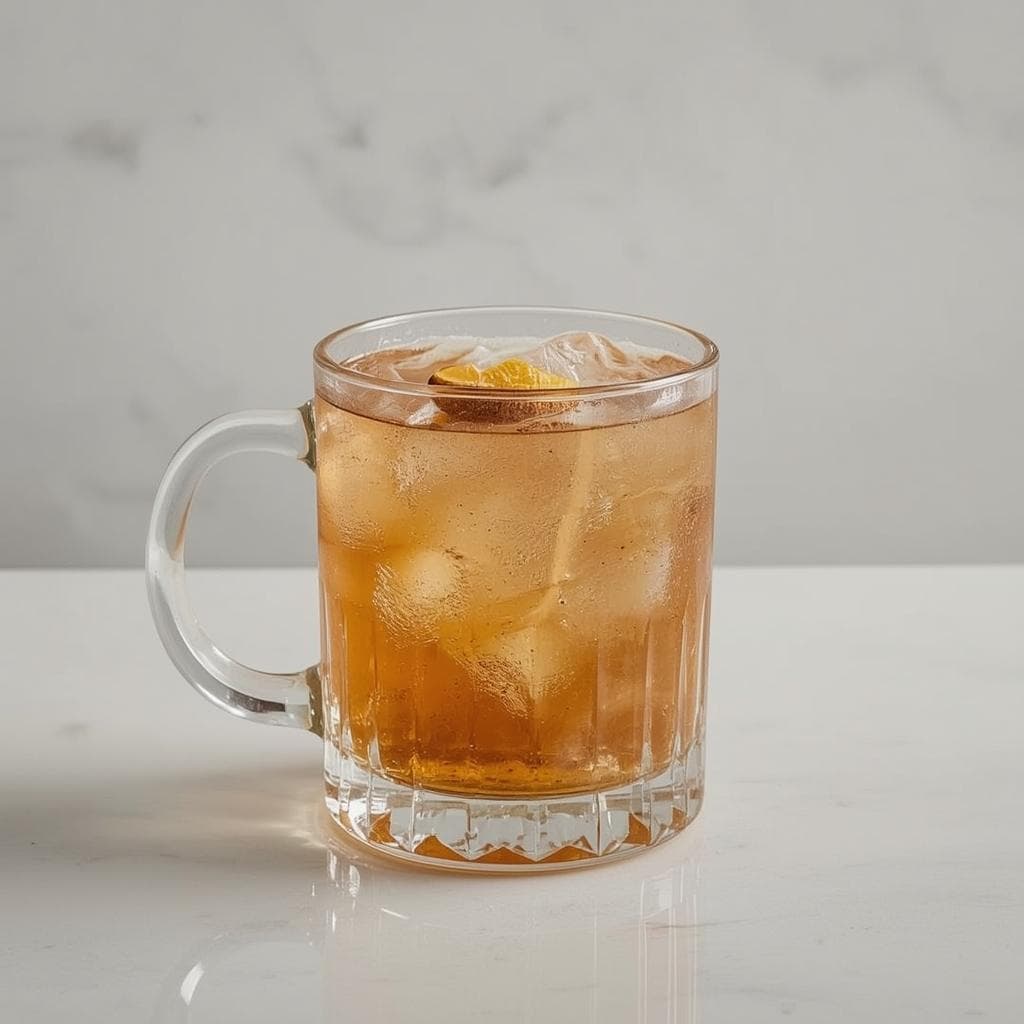
Hot Gin Punch
A Victorian-style, spice-laced winter warmer where gin’s botanicals meet black tea, citrus, and gentle sweetness. Served steaming in a prewarmed mug, it is aromatic, balanced, and moreish rather than boozy. Perfect for welcoming guests or closing a festive evening.
History of Hot Gin Punch
Hot Gin Punch sits within Britain’s long punch tradition, which reached popularity in the 18th and 19th centuries. As gin became widely available, its juniper profile proved excellent with citrus, sugar, and spice. Tea and trade-era ingredients knitted the style into winter social life. Its exact origin is uncertain, but the drink appears in Victorian references and household manuals. Charles Dickens famously wrote about hot gin punch at festive gatherings, helping to fix it in seasonal imagination. Recipes varied by household, reflecting what was on hand and personal preference. Modern revivals focus on clarity and balance rather than brute sweetness. Bars and home hosts alike favour a structured base of tea, citrus, and modest spice. The result feels timeless: warming, gently aromatic, and tailor-made for cold nights.
Why the Hot Gin Punch Works
Gentle heat unlocks gin’s botanicals and the perfume of citrus peel while black tea provides tannic grip. Sugar rounds the edges and binds spice, and fresh lemon adds sparkle, preventing the drink from slumping into sweetness. Proper dilution makes the punch sippable across an evening rather than a single quick hit. Controlled spice infusion adds depth without clogging the palate, allowing the gin’s character to stay present. A few dashes of bitters contribute structure and length, echoing the tea’s tannins. The combination yields a clear, warming profile with balance at its core.
Should You Mix Ahead?
Make the spiced tea base ahead: brew strong tea, add citrus peel, spices, sugar, and hot water, then rest and strain. Refrigerate for up to 48 hours in a sealed container. Reheat gently until steaming but never boiling. Add the gin at service, not during the reheat. Alcohol and delicate botanicals dull with prolonged heat, so stir in the spirit off the boil to keep aromas bright. Hold in an insulated jug or gentle bain-marie below a simmer. For large events, scale the base and keep a measured bottle of gin alongside. Ladle the hot base into mugs and top each portion with the appropriate splash of gin for precision. Leftovers of the base keep well; once spiked, aim to serve the same day.
Food & Snack Pairings
Mince pies, ginger cake, and shortbread echo the spice and complement the tea’s tannin. A sharp cheddar or a wedge of Stilton with chutney brings salty contrast and makes the citrus pop. Dark chocolate with orange zest also lands beautifully. For savoury spreads, try sausage rolls, honey-mustard cocktail sausages, or roast ham. The punch’s acidity and spice cut richness and refresh the palate between bites. Hot mustard and pickles play well with juniper notes. Keep snacks simple for mingling: roasted nuts, spiced popcorn, and olives marinated with citrus peel. Citrus-cured salmon on rye is elegant and bright. Avoid delicate raw shellfish, which can be overwhelmed by the heat and spice.
How to Make Hot Gin Punch
Brew a strong black tea and add it to a saucepan with hot water, demerara sugar, lemon peel, cloves, and a cinnamon stick. Warm gently and stir until the sugar dissolves, keeping it below a simmer to avoid bitterness. Add fresh lemon juice and bitters, then fine-strain into a heatproof jug to remove spices and pith. Let it settle for a moment so flavours meld. Take the heat off, then stir in the gin so its aromatics stay vivid. Prewarm mugs, ladle the punch, adjust sweetness or acidity to taste, and garnish with a lemon wheel and a light grating of nutmeg.
When to Serve
Serve on cold evenings when steam and spice feel like a blanket. It works as a welcoming cup at the door or as a final warm round after dinner. It is a natural fit for Christmas parties, tree-trimming, carol nights, and New Year gatherings. Bonfire Night and winter wedding receptions also suit the style. For outdoor adventures, keep the base hot in a flask and add the gin in the field. The drink rewards slow conversation and unhurried company.
Common Mistakes
Boiling the mix after adding gin flattens aroma and can taste harsh. Always remove the pan from heat before stirring in the spirit and keep service temperatures just below simmering.
Over-extracting tea leads to bitterness that sugar cannot hide. Brew strong but controlled, or make a concentrate and dilute with hot water for precision. Strain spices on time to prevent muddiness.
Letting sweetness run the show makes the drink cloying. Start with measured sugar, add fresh lemon for lift, and taste before serving. Avoid scraping pith with your peeler, which adds a dull, lingering bitterness.
Recommended
Best gin for Hot Gin Punch
Choose a classic juniper-forward gin with clean citrus and coriander notes. It will read clearly through tea, lemon, and spice, giving definition without shouting. Avoid strongly flavoured or sweetened options that could clash with cloves and cinnamon.
Taste Profile
Ingredients
Instructions
Build the spiced tea base
In a saucepan, combine the strong black tea, hot water, demerara sugar, lemon peel, whole cloves, and the cinnamon stick. Warm gently, stirring until the sugar dissolves, and keep just below a simmer for 5 minutes so the spices infuse without turning bitter.
Balance and strain
Add the fresh lemon juice and aromatic bitters. Fine-strain the mixture into a heatproof jug to remove spices and pith, yielding a clear, aromatic base.
Add the gin
Take the jug off the heat if warming, then stir in the gin so its botanicals stay vivid. Do not boil after adding the spirit.
Serve
Prewarm heatproof mugs. Ladle in the punch, taste and adjust sweetness or acidity if needed, garnish with a lemon wheel, and finish with a light grating of nutmeg.
Bartender Tips
Mind the heat
Keep the pot below a simmer once flavours are combined, and always add the gin off the heat to protect delicate aromatics.
Control extraction
Brew tea strong but not stewed and remove spices on time. Over-extraction reads as bitter and muddy rather than warming and bright.
Balance to taste
Use lemon juice to lift sweetness and a touch more sugar to soften sharpness. Taste in a warm mug before serving the whole batch.
To go alcohol free, build a robust tea-and-spice base that carries structure. Use strong black tea, citrus peel, cloves, cinnamon, demerara sugar, and fresh lemon juice for brightness. A pinch of salt can subtly enhance body. Layer in juniper-forward botanicals without alcohol. Lightly crush a few juniper berries, add a bay leaf, and include a strip of grapefruit peel for lift, simmering gently and straining before service. A teaspoon of glycerin or extra tea concentrate can add mouthfeel. Serve exactly as you would the original: in prewarmed mugs with a lemon wheel and a dusting of nutmeg. The result reads festive and aromatic, with clear structure and satisfying warmth. No one will miss the spirit.
Similar Drinks
Frequently Asked Questions
What style of gin works best in Hot Gin Punch?
A classic, juniper-forward gin gives the clearest structure against tea, citrus, and spice. Slightly sweeter styles can work too, adding roundness, but you may wish to trim the sugar. Avoid heavily flavoured gins that might clash with the spices.
How do I keep it smooth and avoid bitterness?
Keep the heat gentle and never add the gin while the pot is boiling. Brew the tea strong but not stewed, and peel citrus in wide strips avoiding white pith. Strain out spices before they overstay their welcome.
How strong does it feel, and can I make it lighter?
Served as written it sits around 8% ABV, about 1.75 UK units per mug. To lighten, reduce the gin or increase the hot tea base, keeping sugar and lemon proportionate so balance remains intact.
Can I batch this for a party and keep it hot?
Yes. Prepare and strain the spiced tea base in advance, then reheat gently and add the gin just before serving. Hold in an insulated urn or bain-marie below a simmer and prewarm mugs for smooth service.
Hangover Risk
Risk Level
Hangover risk based on alcohol type, content, and serving size: 2/5. Always drink responsibly.
Recipe Rating
Based on 2 reviews