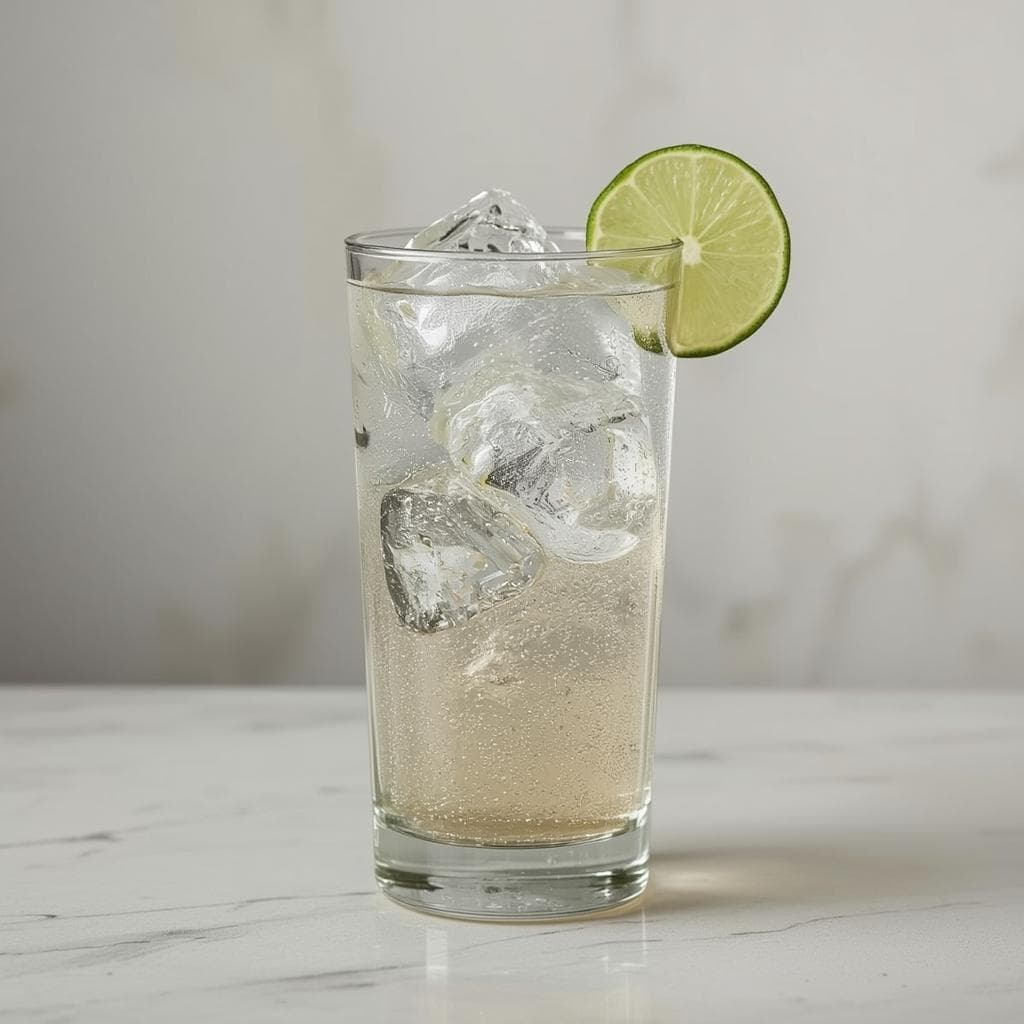
Gin & Tonic
A crisp, bubbly highball that sets juniper and citrus against tonic’s quinine bite. Built cold over ice for clarity and snap.
History of Gin & Tonic
The Gin & Tonic traces its roots to British colonial India, where quinine was consumed to ward off malaria. Mixed with sugar and carbonated water, tonic became more palatable, and soldiers began pairing it with gin for flavour. The exact moment it became a leisure drink rather than a medicinal measure is unclear, but its popularity spread rapidly. By the late nineteenth and early twentieth centuries, commercial tonic water refined the formula and brought consistency. Ice became more accessible, and the drink took on its modern, sparkling persona: long, cold, and aromatic. Variations emerged with different citrus garnishes depending on local preference. In recent decades the G&T has enjoyed a revival, with renewed attention to tonic quality, carbonation, and precise ratios. Contemporary bars highlight how different gin styles interplay with tonic’s bitterness and sweetness. The result is a simple drink that rewards care and showcases balance.
Why the Gin & Tonic Works
The Gin & Tonic works because it balances three sensations: botanical brightness, quinine bitterness, and lively carbonation. A 1:3 to 1:4 ratio of gin to tonic frames the spirit without overwhelming it, while hard, cold ice slows dilution so flavours stay focused. Citrus oils from the garnish lift the nose and tie together herbaceous, bitter, and sweet notes. Carbonation provides texture and carries aroma to the palate, giving the drink energy. The slight sweetness of tonic tempers bitterness and highlights juniper and citrus in the gin. When poured gently, bubbles remain intact and the drink stays crisp from first sip to last. Temperature is decisive: chilled ingredients and glassware enhance clarity and reduce watery melt. A brief, gentle stir integrates without knocking out fizz. The result is a clean, refreshing highball with a clear point of view.
Should You Mix Ahead?
You can pre-chill the gin, glassware, and garnish to speed service, but keep tonic sealed and cold until pouring. Carbonation is fragile, so assemble the drink just before serving for best fizz. A freezer-cold highball glass helps the drink stay crisp longer. For small batches, measure gin into a chilled jug and keep it in the fridge or over an ice bath. Add tonic to each glass to order rather than to the jug. This preserves bubbles and lets you tailor strength per guest. If you must pre-build for a crowd, combine gin with a small amount of chilled water to simulate melt, then refrigerate. Pour over fresh ice and top with tonic immediately before serving. Stir briefly to integrate without flattening the drink.
Food & Snack Pairings
Salty, crunchy snacks like crisps, roasted nuts, and olives play well with tonic’s bitterness and the drink’s carbonation. The fizz cleanses the palate, readying you for the next bite. A squeeze of lime helps cut through salt. Seafood shines alongside a G&T. Think fried white fish, prawns, or smoked salmon, where citrus and juniper echo maritime flavours. The drink’s lift keeps fried dishes from feeling heavy. Spiced dishes, especially those with coriander, cumin, or chilli, find a friendly partner in gin’s botanicals. Indian-inspired snacks and light curries work well, with tonic’s sweetness softening heat. Keep the drink cold to tame spice.
How to Make Gin & Tonic
Chill a highball glass if you can. Fill it to the top with large, fresh ice to maximise cold and minimise dilution. Measure 2 oz gin over the ice using a jigger. Top with 6 oz very cold tonic water, pouring gently down a bar spoon or the side of the glass to protect carbonation. Give a short, gentle stir just to integrate. Express a lime wedge over the drink, then drop it in. Serve immediately while lively and cold.
When to Serve
Serve as an aperitif when you want something brisk and appetite-wakening. Early evening, garden parties, and sunlit terraces are perfect. It’s a natural summer staple, but it works year-round whenever you crave freshness and fizz. Daytime gatherings and weekend lunches benefit from its lightness. For casual hosting, the G&T is easy to personalise with different garnishes. Offer lemon, lime, or grapefruit peels so guests can steer the aroma to taste.
Common Mistakes
Using warm or flat tonic will sink the drink. Keep tonic sealed and very cold, and pour gently to protect bubbles. Always use plenty of fresh ice.
Overloading citrus can unbalance the profile and wash out botanicals. Express the wedge to add aroma, then keep the squeeze modest or skip extra juice.
Crushed or wet, hollow ice melts too fast and dilutes the drink. Use large, hard cubes and a chilled glass. A brief, gentle stir integrates without flattening.
Recommended
Best gin for Gin & Tonic
For a classic profile, choose a juniper-forward London-dry style with firm citrus and spice. Its structure stands up to tonic’s sweetness and quinine bitterness, delivering a crisp, aromatic finish. Ensure the gin is at least 40% ABV to maintain definition once diluted.
Taste Profile
Ingredients
Instructions
Chill and ice
Chill a highball glass if possible, then fill it to the brim with large, fresh ice cubes.
Add gin
Measure 2 oz gin with a jigger and pour over the ice.
Top with tonic
Gently add 6 oz very cold tonic water, pouring down a bar spoon or the side of the glass to preserve fizz.
Integrate
Give a brief, gentle stir just to combine without knocking out bubbles.
Garnish and serve
Express a lime wedge over the surface, drop it in, and serve immediately.
Bartender Tips
Keep everything cold
Chill the gin, tonic, and glass. Cold liquid holds carbonation better and reduces watery melt.
Mind the ratio
Start at 1:3 gin to tonic. Adjust by half an ounce at a time to suit the gin’s intensity and your palate.
Express, don’t drench
Express citrus oils over the drink for aroma and add a modest squeeze at most. Too much juice will swamp the botanicals.
For an alcohol-free take, use a non-alcoholic botanical spirit and top with quality tonic water. Keep the same ratio and technique: very cold ingredients, lots of fresh ice, and a gentle pour to preserve bubbles. Garnish decisions still matter. Express a lime wedge over the glass to release oils, or swap for lemon or grapefruit peel to steer the aroma. A pinch of salt on the garnish can subtly enhance sweetness and mute bitterness if desired. Because you lose the warmth of ethanol, pay closer attention to texture. High carbonation and firm ice give the drink structure. A dash of saline or a few drops of citric solution can add brightness without extra sweetness.
Similar Drinks
Frequently Asked Questions
What gin and tonic water should I choose for a balanced Gin & Tonic?
Select a dry, juniper-forward gin for classic snap, or a citrus-leaning style for a softer, fruitier profile. Pair it with a tonic that is fresh, well carbonated, and not overly sweet so bitterness and botanicals can shine. Taste the combination before serving to confirm the balance.
What is the best ratio and technique to build a great G&T?
Aim for 1:3 to 1:4 gin to tonic; 2 oz gin to 6 oz tonic is a crisp, crowd-pleasing starting point. Use a chilled highball, fill with large ice, pour tonic gently over a bar spoon, and give one short stir. This protects carbonation and keeps flavours focused.
How strong does a Gin & Tonic feel, and when should I serve it?
At around 10% ABV it drinks lighter than neat spirits but with clear botanical presence. Serve as an aperitif, at summer gatherings, or whenever you want a refreshing, low-effort cocktail. Pair with salty snacks, seafood, or lightly spiced dishes to echo the drink’s brightness.
Can I make it ahead or batch for guests, and what mistakes should I avoid?
Pre-chill the gin and glassware, but add tonic at the last moment to keep bubbles lively. Avoid warm, flat tonic, scant ice, or heavy-handed citrus, which will dull the drink. If batching, combine only the gin and a touch of chilled water, then top each serving with tonic to order.
Hangover Risk
Risk Level
Hangover risk based on alcohol type, content, and serving size: 2/5. Always drink responsibly.
Recipe Rating
Based on 3 reviews