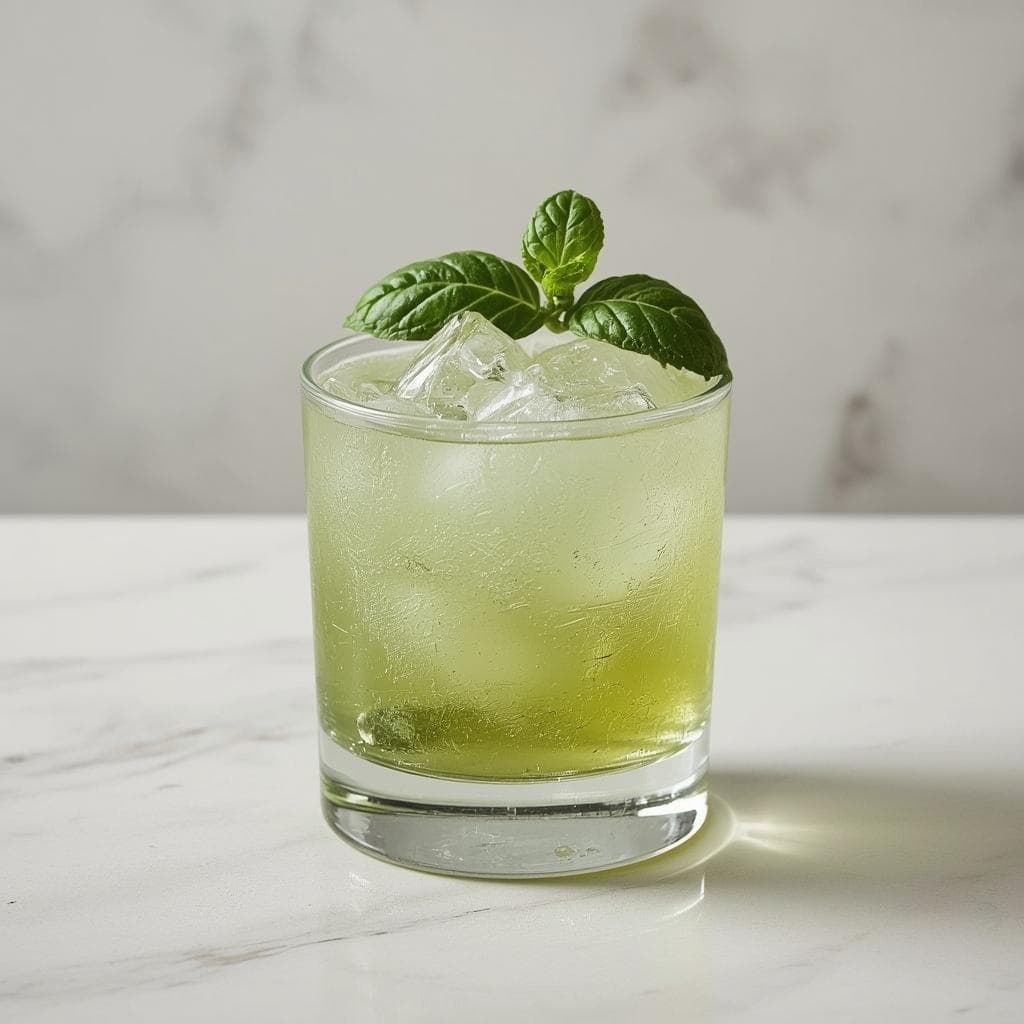
Gin Basil Smash
A modern classic: gin, lemon, and sugar shaken hard with a fistful of basil for a vivid, garden-fresh sour over ice.
History of Gin Basil Smash
The Gin Basil Smash is a modern classic born in Germany in the late 2000s. It adapts the 19th-century Smash formula to gin and basil. It spread quickly through European bars, thanks to its eye-catching colour and fresh garden aroma. It is widely credited to a Hamburg bar around 2008. Though details vary, the formula settled on a simple trio: gin, lemon juice, and sugar, shaken with a generous handful of basil. The drink resonated with a generation seeking bright, herbaceous flavours. Its influence reached home bartenders and menus worldwide. The recipe encourages seasonal herbs and precise shaking technique. Today it stands beside the Southside and Whisky Smash as a go-to green refresher.
Why the Gin Basil Smash Works
Basil’s peppery, anise-kissed aroma dovetails with gin’s juniper and citrus. Lemon provides clean acidity to cut sweetness and brighten the herbaceous notes. The gin’s botanicals supply backbone and length. Muddling basil with syrup extracts fragrant oils while limiting bitter chlorophyll. A hard, short shake over dense ice chills quickly and controls dilution without tearing leaves into pulp. Double-straining keeps texture sleek and the colour vivid. Serving over fresh cubes slows dilution, keeps the drink lively, and lets the basil garnish lead with aroma on every sip.
Should You Mix Ahead?
You can pre-mix the lemon and syrup as a sharp cordial and keep it chilled for a day. This streamlines service and preserves consistency. Leave the basil and gin for the moment of shaking. Basil bruises and oxidises quickly, so muddle to order for the freshest colour. If batching for a party, blend basil with a portion of syrup, fine-strain, and add to the batch just before serving. Keep everything fridge-cold to limit extra dilution. Pre-chill rocks glasses and have large, clear ice ready. A quick, firm shake will finish the job, but cold ingredients mean fewer watery drinks. Garnish with fresh sprigs kept in water until service.
Food & Snack Pairings
The drink flatters Mediterranean plates such as caprese, grilled courgette, and olive-studded salads. The basil in the glass echoes basil on the plate, tying the meal together. Acidity cuts through mozzarella and light cheeses. With seafood, choose grilled prawns, lemony white fish, or fritto misto; the citrus and herbs lift briny sweetness. Avoid heavy sauces that would mask the delicate aromatics. A pinch of flaky salt on snacks heightens the basil. For nibbles, serve salted almonds, rosemary crackers, or crisps. The slight sweetness plays well with prosciutto or roasted peppers on toast. Keep flavours clean and fresh.
How to Make Gin Basil Smash
Chill a rocks glass with ice or in the freezer while you build the drink. In a shaker, add simple syrup and basil leaves, then gently press with a muddler until the leaves darken and smell vivid. Add gin and fresh lemon juice, fill the shaker with cold, solid ice, and shake hard for about 10 seconds. The goal is fast chilling and controlled dilution while keeping leaf fragments large. Double-strain into the chilled rocks glass over fresh cubes to catch small bits and avoid a murky texture. Garnish with a perky basil sprig; clap it between your hands to wake the aroma before adding.
When to Serve
This is a summer staple, ideal on warm afternoons and as a pre-dinner aperitif. Its brightness resets the palate without heaviness. Sunshine and garden settings suit it perfectly. Serve at casual gatherings, picnics, and open-air suppers. The short format travels well if you keep components cold. It also shines as a welcome drink at spring weddings and garden parties. Daytime brunches benefit from its low fizz and crisp acidity. The herbaceous aroma feels uplifting without being loud. It is sophisticated but easy-going.
Common Mistakes
Over-muddling tears the basil to shreds, releasing bitterness and dulling the colour. Press gently with syrup and stop as soon as the leaves are bruised and fragrant. If the drink tastes harsh, start again with fresh leaves.
Under-sweetening can make the lemon feel thin and sharp. Measure syrup and juice with a jigger and adjust in 0.25 oz steps. If your lemons are very tart, add a dash more syrup.
Poor ice and a weak shake lead to a warm, watery result. Use dense cubes, shake hard but brief, and double-strain over fresh ice. If colour browns quickly, your basil was old; buy the freshest bunch you can find.
Recommended
Best gin for Gin Basil Smash
A classic juniper-forward gin gives the drink structure and a crisp backbone that stands up to basil and lemon. Look for a clean, dry profile with moderate citrus and a touch of pepper. An ABV around 40–47% keeps the finish long without feeling hot.
Taste Profile
Ingredients
Instructions
Chill the glass
Fill a rocks glass with ice or place it in the freezer to chill while you build the drink.
Muddle basil with syrup
Add simple syrup and basil leaves to a shaker, then gently press with a muddler until the leaves darken and turn fragrant.
Add spirits and citrus
Pour in the gin and fresh lemon juice. Fill the shaker with solid, cold ice.
Shake hard and brief
Shake vigorously until the tin is well frosted to chill and dilute without over-shredding the basil.
Double strain
Discard the ice from the rocks glass, add fresh cubes, and double-strain the drink into the glass to catch small leaf fragments.
Garnish and serve
Clap a basil sprig between your palms to wake its aroma, then place it on top and serve immediately.
Bartender Tips
Treat the basil gently
Press rather than grind the leaves. Over-muddling releases bitter compounds and muddies the colour.
Balance to your lemons
If your lemons are extra tart, add 0.25 fl oz more syrup. Always taste and adjust in small steps.
Keep everything cold
Pre-chill the glass and use dense ice. A short, hard shake gives ideal chill and dilution without tearing basil.
To go alcohol-free, replace gin with a juniper-led non-alcoholic spirit or a strong basil and peppercorn infusion. Keep the same lemon and syrup ratios to retain balance. The key is aroma first, not sweetness. Muddle basil gently with syrup as you would in the alcoholic version. Shake hard with ice to aerate and chill, then double-strain over fresh cubes. A pinch of saline can add depth that booze normally provides. For a simpler take, make a basil lemonade by blitzing basil with a weak syrup, straining, and topping with still water. The colour will be brighter but the flavour lighter, so use extra basil to compensate. Garnish generously to cue the nose.
Similar Drinks
Frequently Asked Questions
What gin and basil should I choose?
Go for a classic, juniper-forward gin to give structure against the basil and lemon. Use fresh, perky basil with small to medium leaves; they bruise easily and release bright aroma. If your gin is softer or citrus-led, keep an eye on sweetness and consider a tiny pinch of salt to add definition.
How do I nail the technique?
Muddle basil gently with the syrup, pressing rather than grinding, until fragrant and just darkened. Shake hard for about 10 seconds with solid ice, then double-strain to keep the texture clean and the colour vivid. Clap the garnish between your palms to wake the aroma before placing it on top.
How strong does it feel, and can I lighten it?
Expect it to feel medium in strength with a fresh, zesty lift; around two to two-and-a-half UK units per serve. To lighten, use 1.5 oz gin and add 0.25 oz chilled water to the shaker, or build over extra large ice for slower dilution. Keep sweetness and acidity balanced as you adjust.
Can I batch or make it ahead, and what foods pair well?
Pre-mix lemon and syrup as a cordial, chill, and add gin and basil at service for best colour and aroma. It pairs beautifully with caprese, grilled prawns, lemony white fish, and salted nuts or crisps. Keep flavours fresh and avoid heavy sauces that would smother the herb notes.
Hangover Risk
Risk Level
Hangover risk based on alcohol type, content, and serving size: 2/5. Always drink responsibly.
Recipe Rating
Based on 2 reviews