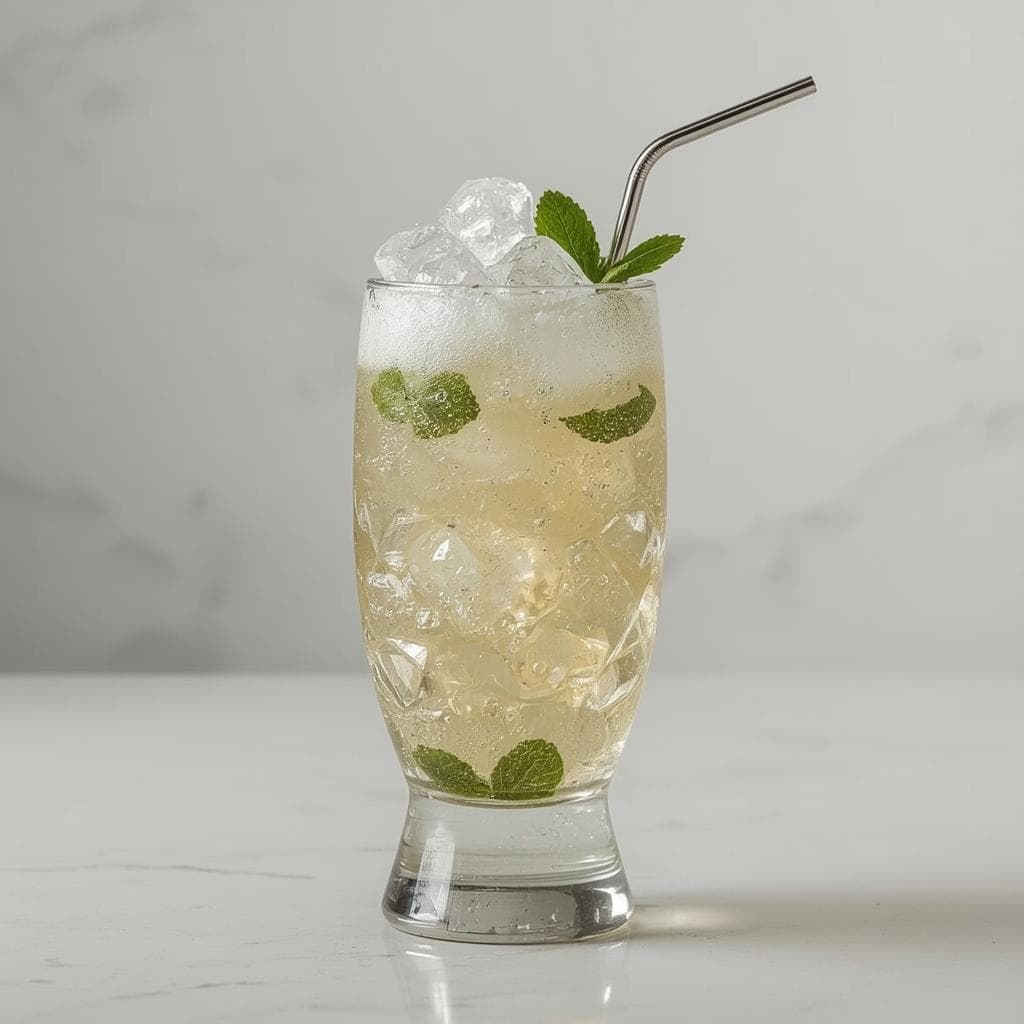
Champagne Julep
A sparkling twist on the classic julep, marrying bourbon, mint and a top of brut Champagne over a mound of crushed ice. Fragrant, bracing and celebratory with a crisp, dry finish.
History of Champagne Julep
The Champagne Julep descends from 19th-century American juleps that freely mixed spirits, liqueurs and wine. Early bartending manuals recorded versions with brandy, rum or whiskey lengthened by Champagne, served over ice with mint. The exact birthplace is unclear, though it likely emerged where julep culture and imported sparkling wine overlapped. By the late 1800s, juleps were a symbol of refined Southern hospitality, and adding Champagne turned a porch sipper into a celebratory serve. The combination of mint, sugar and bubbles made for a lighter impression without losing backbone. Variations came and went as spirits availability shifted across regions. Modern bartenders revived the drink as interest in historic recipes returned. Today it sits comfortably between aperitif and party cocktail, with brut Champagne drying the finish. The core idea remains unchanged: perfume with mint, keep it very cold and let crushed ice manage dilution.
Why the Champagne Julep Works
Dry sparkling wine lifts bourbon’s caramel and vanilla without weighing it down. The bubbles add texture and extend aromatics, turning a spirit-forward template into something brighter. It reads festive without becoming sugary. Mint supplies top-note freshness and a cooling aroma that frames the oak and spice of bourbon. Demerara syrup adds a touch of molasses depth, which keeps the palate from feeling sharp. The sweetness is measured so the finish stays clean. Crushed ice increases surface area for rapid chilling and gradual dilution. As the ice melts, the drink softens and becomes more perfumed rather than watery. The result is balance over the full life of the serve.
Should You Mix Ahead?
Batch the base by stirring bourbon and demerara syrup in a bottle and refrigerate. This speeds service and ensures consistent sweetness. Keep the mint and sparkling wine separate until serving. Crush ice ahead and hold it dry in a freezer-safe bag or an insulated cooler. Dry, pebbly ice keeps the drink colder and slows dilution. Chill your julep cups so the frost blooms quickly. At service, add mint and a small measure of the batched base to the cup, lightly press, then pack with crushed ice. Churn, top with sparkling wine and crown with more ice. Garnish just before it leaves the bar.
Food & Snack Pairings
Briny oysters and chilled prawns love the drink’s dry sparkle and mint perfume. The bubbles lift salinity while bourbon adds warmth. It is a natural aperitif with raw bar platters. Fried chicken, ham biscuits and salty crisps are excellent with the cold, slightly sweet snap. The crushed ice and carbonation cut through fat neatly. Add pickles for a bright, crunchy echo. Fresh berries, shortbread and lemon posset sit nicely with the drink’s dryness and mint. Keep desserts simple and not too sweet. You want the cocktail to remain the refresher on the table.
How to Make Champagne Julep
Chill a julep cup well, then add demerara syrup and mint leaves. Give the mint a gentle press to express oils without tearing. This creates a fragrant base without bitterness. Add bourbon and half-fill the cup with crushed ice. Stir or churn until the cup frosts and the mixture is very cold. Top with more crushed ice to form a loose mound. Gently top with brut Champagne and give one light stir to combine. Add a final cap of crushed ice if needed, and garnish with a leafy mint sprig. Serve with a short straw aimed near the mint for aroma.
When to Serve
Serve as an aperitif before dinner when the weather is warm. The bubbles and mint sharpen the palate without heavy sweetness. It is ideal for garden parties and outdoor gatherings. Pour for Derby Day when a classic julep feels too rich. The Champagne version keeps the tradition while adding lift. It also fits well at weddings and anniversaries. Brunch service benefits from a lower-perceived heft compared to straight whiskey drinks. The drink stays bright as ice melts, so it works over a long, relaxed setting. Present it early while the fizz is at its best.
Common Mistakes
Over-muddling mint turns the drink bitter and swampy. Press lightly with syrup to release oils and stop as soon as you smell fresh mint. Strain out shredded leaves if you accidentally tear them.
Using warm sparkling wine flattens the texture and kills foam. Keep the bottle very cold and add it last with a gentle pour. Avoid aggressive stirring after topping.
Skimping on crushed ice leads to a warm, boozy drink. Pack the cup fully and cap with a mound so it chills and dilutes properly. If it tastes too sweet, churn longer to bring more meltwater into balance.
Recommended
Best bourbon for Champagne Julep
Choose a mid-proof bourbon with balanced vanilla, caramel and spice. Too high in proof can bulldoze the mint and bubbles, while too light tastes thin once diluted. Aim for a profile that is round rather than overly sweet.
Best wine for Champagne Julep
Use a brut or extra brut Champagne with firm acidity and fine bubbles. The dryness reins in the syrup and lets mint and bourbon lead. Off-dry styles can tip the drink toward cloying.
Taste Profile
Ingredients
Instructions
Prepare the cup and mint
Chill a julep cup. Add demerara syrup and mint leaves, then gently press the leaves to express oils without tearing.
Add bourbon and initial ice
Pour in the bourbon and add a generous handful of crushed ice. Stir or churn until the exterior frosts.
Pack and chill
Top up with more crushed ice, packing lightly to form a loose mound while keeping the liquid very cold.
Top with bubbles
Gently add brut Champagne and give a single light stir to combine without knocking out carbonation.
Garnish and serve
Crown with a little more crushed ice if needed and garnish with a leafy mint sprig. Serve immediately with a short straw aimed near the mint.
Bartender Tips
Keep everything cold
Chill the cup and sparkling wine thoroughly. Cold service keeps bubbles lively and minimises rapid dilution.
Press, do not pound, the mint
A gentle press releases aromatic oils without extracting bitter chlorophyll. Stop as soon as you smell fresh mint.
Use dry crushed ice
Crush ice ahead, drain off meltwater and store it cold. Drier ice chills faster and holds its shape longer.
Add bubbles last
Top with sparkling wine just before serving and avoid vigorous stirring, which collapses the fizz.
Use a robust zero-proof bourbon alternative or a double-strength chilled black tea to mimic tannin and oak. Top with a dry alcohol-free sparkling wine to preserve the lively texture. Keep the build identical for mouthfeel that matches the classic. Express mint gently with the syrup rather than pounding it. Overworking mint pulls bitter notes that dominate without alcohol’s cushioning. Aim for aroma first, then let crushed ice do the softening. Taste for sweetness, as many alcohol-free bases have less body. You may need a touch more demerara to round the edges. Serve immediately in a chilled cup to keep it vivid and refreshing.
Similar Drinks
Frequently Asked Questions
What bourbon and Champagne style work best in a Champagne Julep?
Choose a bourbon with medium body and a balanced oak profile so the mint and bubbles are not overwhelmed. For the topper, a dry brut or extra brut sparkling wine keeps the finish crisp and prevents cloying sweetness. Avoid overtly fruity or sweet styles, which can muddy the profile.
How should I handle the mint and ice for best results?
Treat the mint gently by pressing, not pounding, to avoid bitterness. Use dry, crushed ice to chill fast and provide steady dilution, then churn until the cup frosts. A final ice cap and a leafy sprig maximise aroma and temperature.
How strong does a Champagne Julep feel?
Despite the bubbles, it drinks like a moderate-to-strong aperitif. The sparkling wine and crushed ice soften the edges, but there is still a solid bourbon backbone. Expect a crisp first impression that gradually mellows as the ice melts.
Can I make this in a batch for a party?
Yes. Pre-batch the bourbon and demerara syrup in the fridge, then build to order with mint, crushed ice and a fresh top of sparkling wine. This preserves carbonation and keeps the texture lively while speeding service.
Hangover Risk
Risk Level
Hangover risk based on alcohol type, content, and serving size: 3/5. Always drink responsibly.
Recipe Rating
Based on 2 reviews